I’d like to thank you sincerely for taking the time to read this and I hope to feel your interest again next time. And happy holidays this time around.
The Boss is back in towns. Bruce Springsteen and his E Street Band returned to the road earlier last month for their only as-of-yet scheduled shows this year, bringing what has been re-dubbed the grand Land of Hope & DreamsTour to more than half a million fans in six countries throughout summer, after being forced to cut short their European leg due to illness last year. Beginning with a three-show run in mighty Manchester, UK, these re-scheduled dates serve as the culminating finale to the two-year-long run of what were Springsteen and co’s first live performances in almost seven years. And while an E Street Band roadtrip is always sure to turn a fair amount of industry heads, particularly when your ringleader is 75, this latest one managed to garner an extra notch of attention thanks to some inadvertent promo from none other than the sitting President of the United States.
During his tour opener, on 14th May, Springsteen let out a few less-than-flattering speeches about the current executive branch governing his home country. In response, US President Donald Trump posted an unhinged statement going at the Boss’s appearance and intelligence, while also demanding an investigation into former Presidential candidate Kamala Harris’s endorsements that came from Springsteen himself, as well as a slew of other A-list celebrities. Not even a full week later, the New Jersey success story saw fit to release a whole brand new live EP—conveniently titled Land of Hope & Dreams—taped at that momentous Manchester tour opener. And yes, he included those ad libs. As the good people over at Apple Music put it: no shade to the four defiant songs captured during the gig, but this may well be the first live record surprise-dropped for its stage banter.
We might’ve buried the lead though. For the real kicker this #BruceSummer have got to be the seven previously-unheard studio full lengths dropping for the first time tomorrow, Friday 27th June. The widely-rumored, long-anticipated Tracks II: The Lost Albums—a spiritual successor to the 1998 cult four-disc Tracks collection that has become the ultimate non-studio album fan favorite over the years—is a gargantuan set spanning 83 songs (74 of which never-before-heard). Conspicuously filling in essential chapters of Springsteen’s expansive timeline, Tracks II arrives in limited-edition nine LP, seven CD, as well as all the obligatory digital formats—including custom packaging for each of the seven records-in-record, with a 100-page cloth-bound, hardcover book featuring rare archival photos, liner notes from essayist Erik Flannigan, and a personal introduction on the project from the Boss himself. A more digestible and chart-friendly companion bundle—Lost And Found: Selections from The Lost Albums—will instead feature twenty highlights from across the full tracklist, also out the same day on two LPs or one CD.
Upping the overall B-sides count by a generous 17 offerings, compared to the 66 off the first Tracks instalment, Tracks II maps a creative trajectory that includes writing sessions ranging from 1983 to 2018. For the project, Springsteen and longtime producer/multi-instrumentalist sideman Ron Aniello polished the sound quality and sparsely added instrumental enrichments here and there to the old tapes. The bulk of the material does stem from the Boss working as a one-man studio band, as he has since the 1980s. The umbrella front cover for the vault collection—linked at the end of this piece—lets us deduce that the top-to-bottom chronological order in which the seven projects are listed should refer to their gestation period over the projected 35-year range (i.e. with LA Garage Sessions ’83 being the oldest, and Perfect World the one compiled in 2018). As of the time of this writing, just mere hours away from the big reveal, Columbia Records and the Springsteen camp have been unleashing six standalone teasers from as many distinct discs within the coveted assemblage, with the inaugural LA Garage Sessions ’83 LP remaining the only one without advance listening (safe for an elusive low-fidelity 20-second teaser on the box set’s splash website).
Things kicked off early into April, along with the first project reveal, when a debut look at the series came in the form of “Rain in the River“, a blistering and expansive Perfect World cut that aptly encapsulates that project’s arena-ready E Street blend. Halfway through that same month, the synth-heavy and drum machine-programmed “Blind Spot” was served to quench the longstanding thirsts of all those salivating over Springsteen’s allegedly mythical ‘hip-hop influenced loops record’—ours included. As it turns out, that collection of ten numbers has now been billed as the Streets of Philadelphia Sessions, perhaps the most highly-anticipated of the seven LPs, if you ask us. Curiously enough, the previously available “Missing“—from The Crossing Guard OST—remains true to its title and does not in fact appear on the tracklist of what would’ve felt like its perfect home album.
Meanwhile, on the 1st May, the The Lost Albums roll out added another notch to its cowboy belt, by completely switching up the mood: “Faithless“, the titular song of the 11-track third disc in the catalog, is a reserved, husky, and unplugged country Western affair. Not the most immediate and ear-catching jam in the Springsteen lore—particularly considering his accomplished foray into the genre on 2019’s Western Stars—but one that rewards patience and repeated listens by way of a more focused TLC. This collection of songs was actually initially meant to soundtrack a ‘spiritual Western’ motion picture based on an unidentified book, started in 2005. Springsteen wrote and recorded the music all by himself in a matter of weeks, building on a foundation of spiritual piano and bluesy slide guitar—twenty years later, the film is reportedly still ‘in development’. Somewhere North of Nashville‘s “Repo Man“, released two weeks later on 14th May, pulls another 180° on the promotional roll out sonics, with its lively, saloon-y, and galloping blues-country flairs, couched in an infectious immediacy that is poised to make it a catchy live staple (tall order, we know!).
A couple weeks after that, Mexican ranchera-disc 5 Inyo‘s unplugged preview came through in the shape of “Adelita“, a soft and gentle ode to Mexico’s ‘soldaderas’—women who played a major role in the country’s fight for independence. Lastly, but not least of the advance pack, this past 12th June the Boss unwrapped the subdued piano-jazz brushed “Sunday Love“, a final teaser off the Western Stars-cutting room floor exhumed retro-pop affair Twilight Hours. The major 7th chords-record is a collection presenting a window into the ‘what-if’ the 2019 country folk outing were a double album instead, offering the New Jerseyan’s take on a softer, more jazzy revisitation of the storied American songbook. In a recent press release about the tune, Springsteen says, “I love Burt Bacharach, and I love those kinds of songs and those kinds of songwriters. I took a swing at it because the chordal structures and everything are much more complicated, which was fun for me to pull off. All this stuff could have come right off of those ’60s albums.” Sure, but it also still sounds a lot like Springsteen, and like a cut that wouldn’t have been too out of place on 2002’s The Rising.
In summation, over the course of almost three full months of promo we’ve been fed with six previously unreleased Bruce Springsteen rarities, amounting to about 23 minutes of new material. Tracks II is 83 songs long, and a quick inferential stunt on account of this initial sample suggests we could expect something in the region of 320 minutes (or more than five hours!) of runtime. That’s an inordinate amount of never-heard-before music to sift through, let alone for somebody with 21 studio albums already in the catalog. It’s a barrage of music that would put whole careers’s worth of tracks by average artists today to shame. All (re-)released on one day. We’re no doubt living in times of Springsteen abundance—and we have no complaints over that. Oh, and didn’t we mention last month’s live EP that was basically taped and released overnight?
In case you were wondering, we’re going to catch Bruce and his E Street Band live in a matter of days in Milan, Italy, as part of one of those rescheduled tour dates from last year. The chances of hearing a cut off Tracks II performed live when you have a cherished catalog of almost 400 to pull from are slimmer than your average American’s budget left at the end of the month, but hey we’ll keep you posted in case he does. As a consolation, we’ll have seven new studio LPs to savor wall-to-wall as early as tomorrow morning. Speaking of which, here’s how we’d rank them in order of anticipation and excitement, before hearing any more of the whole thing:
Streets of Philadelphia Sessions
LA Garage Sessions ’83
Perfect World
Twilight Hours
Somewhere North of Nashville
Faithless
Inyo
No empirical rhyme or reason over this; just gauging the enjoyment the various teasers have been providing hitherto, and knowing Bruce Springsteen a little bit. Yet, clearly not enough to predict what happened next. In a recent video deep-dive into the genesis and design of Tracks II, the 75-year old New Jersey native came through with a cold-blooded twist right at the end: there exists a Tracks III collection. And it’s apparently already finished. He went on to explain that ‘[Tracks III] is basically what was left in the vault‘, including outtakes from as far back as his 1973 debut, Greetings From Asbury Park, N.J. and as recent as last year: ‘so there was a lot of good music left. There are five full albums of music‘. It might just be true that all good things come in threes, after all.
Streets of Philadelphia Sessions
“Sometimes if you lock into one song you like then you follow that thread. I had this song ‘Blind Spot,’ and I followed that thread through the rest of the record.” — BS
Faithless
“Faithless was a piece of work I took (on commission) for a spiritual Western film that was preparing to be made around 2004. In Hollywood, I have found, you can disappear into “development” for long periods of time so I thought I would release these now and let you hear my results of this interesting project.” — BS
Somewhere North of Nashville
“I wrote all these country songs at the same time I wrote ‘The Ghost of Tom Joad.’ Those sessions completely overlap each other. I’m singing ‘Repo Man’ in the afternoon and ‘The Line’ at night. So the country record got made right along with ‘The Ghost of Tom Joad.’ Very similar to ‘Born in the U.S.A.’ and ‘Nebraska’” — BS
Inyo
“‘Inyo’ was a record I wrote in California during long drives along the California aqueduct, up through Inyo County on my way to Yosemite or Death Valley. It’s one of my favorites.” — BS
Twilight Hours
“At one time, it was either a double record or they were part of the same record. But I separated the ‘Western Stars’ material out and what I had left is ‘Twilight Hours.'” — BS
Perfect World
“‘Perfect World’…is a record I pieced together from work I had held for this project…I wanted just a little fun, noise, and rock ‘n’ roll to finish the package.” — BS
We’d like to thank you sincerely for taking the time to read this and we hope to feel your interest again next time.
On Wednesday 7th of December, alt-country singer/songwriter Ryan Adams did the unthinkable only a few years ago and gave away a full front-to-back rendition of Bruce Springsteen‘s revered 1982 classic Nebraska, making this collection of covers his fifth official studio album release in the current solar year. While rewriting musical history by way of re-dressing a set of original songs via his trademark guises is nothing inherently new for the PaxAm label owner—he successfully and fiercely charted said territory the first time eight years ago with Taylor Swift’s 1989—issuing five distinct projects in less than seven calendar months is something unparalleled and unprecedented even for a prolific author such as himself. Yet don’t get it twisted; less than standing as desperate industrious attempts at morphing into the present day media landscape’s content output expectations, the 10-track ode to one of Adams’s most evident influences is but an expression of endurance.
Progress through action and creation—the form and pacing of the 48-year old Jacksonville, NC-native’s musical portfolio growth of late can’t pretend it’s hiding behind a necessity of unabashed fast-forwardness. This might be where the rubber meets the road: since his comeback unplugged oeuvre Wednesdays in December 2020, the former Whiskeytowner has released seven LPs. That’s a number as big as his worshipped feline household companion’s purported lives, for comparison’s sake. While it’s true that the buck has to stop somewhere, if there is anything that the past twelve months have taught legions of DRA disciples, is that a storyteller as gifted and impervious as Ryan Adams can only survive as a relentless musical empresario. So much for having additional out-of-the-box records in the can, ready to be unveiled in 2022 as originally announced in the lead up to his summer album FM.
Truly and honestly, we can’t say he did not warn us. There were a slew of presages worked into this past years’ tea leaves pointing to some resemblance of boundless creative manifestation, acting as some sort of be-all and end-all for the heartland rocker. A higher faith of sorts to devote one’s self to. With the benefit of twenty-twenty hindsight, one could easily point at his recurrent generous live impromptu sessions on Instagram, the engrossing runtimes and setlists of his more recent three-hour long solo acoustic shows, or even the trickery surrounding an alternate Boss-indebted sleeve for his inaugural trilogy album Wednesdays, as self-evident clues leading to something akin to the gesamtkunstwerk of studio debauchery and stern live renditioning that his own personal interpretation of Nebraska panned out to be.
What matters though is the substance, the artistic elixir; not the format. Nebraska is his second free digital download gift to fans in quick succession, following rapidly on the heels of the brilliant and neat Devolver. With it, DRA seems to self-fulfil the reassurance that he can rest on the grounded belief that effortless creative sprawls are there for him to be captured and channelled outwardly. Whether they translate into industry ruffian studio albums or self-recorded giveaways, matters only peripherally (and to those troubled enough to care). The whole point of being Ryan Adams is to be afforded the creative and marketing license to retain the unfiltered, untamed, and unedited impetus that always accompanied him along his near thirty years worth of discography—irrespective of whether that’s true blue country on Jacksonville City Nights, heartland rock on his self-titled, or heavy metal on Orion.
Nebraska, much like say Devolver, the PaxAm Single Series, or his more recent Instagram live sessions, speaks of the auteur working out, attending his regular gym sesh. In a not too dissimilar fashion to the source material creator’s modus operandi—who in his Born to Run memoir revealed how his songwriting prowess was shaped more by method and consistency than bursts of uncalled for inspiration—Ryan Adams can’t not write and put out music. So why not wholly condoning his embrace of such an un-produced urge by way of leveraging his modern day freedom from contractual or material constraints to opt into a ‘the more the merrier’ ethos? Lest we misunderstand, the approach is additive, not discrete.
While we all eagerly await Bruce to unearth his own lost drum-loop based synth-washed album, let this project carry us in a similarly unassuming yet stark fashion, all the while musing over what Springsteen’s artistic trajectory could have been in the 90s, if only. Safe to say, most of us will take this over any other disingenuous boomer bait any day of the week. How could we not: this is Ryan’s early Christmas present. Most of us will eventually come around to pardon and appreciate what’s arguably the most prolific songwriter of his generation for speeding up “Atlantic City“, chopping and screwing “Johnny 99“, or going full analogue live take on the final three cuts on his version of Nebraska—for most of us have understood that we can’t have Heartbreak-era Ryan Adams, if we can’t accept post-2020 Ryan Adams.
We’d like to thank you sincerely for taking the time to read this and we hope to feel your interest again next time.
Any calendar year’s fourth quarter act invariably sprouts summational thinking on the part of music pundits the world over, thrusting them into cynically whittled down crop of best (and worst…) of new music as if their life depended on it. As it turns out, 2022 appears to be making said faux-editorialized process ever so slightly more difficult, by virtue of above-average quality drops peppered throughout the last two eligible months of October and November. We’d go as far as to claim that the current one might be the most backloaded revolution around the sun in semi-recent memory—potentially of the last decade. This essay sets out to highlight a round up of but a few of the miscellaneous late-into-the-year releases standing to corroborate and qualify such advanced hypothesis. And to think it’s doing so without exhibiting other potential heavyweight honourable mentions worthy of making the cut, such as the intelligently composed and astutely assembled The Car by the Arctic Monkeys, Freddie Gibbs‘s aspirational glam rap opera $oul $old $eparately, and Canadian treasure Neil Young‘s self-effacing fifteenth studio album with Crazy Horse, World Record. Or even Taylor Swift’s open-hearted confessional Midnights, rounding up with Nas’ latter-day-high King’s Disease, attained via his third cold-blooded single-handed trilogy instalment.
A subdued and unsuspecting mid-October Friday saw the return of exquisite Mississippi-hailing singer/songwriter Cory Branan, who with his latest 11-track exploit When I Go I Ghost fiercely put an end to a five year mouthwatering musical drought, dating back to his last studio body of work: 2017’s mixed bag Adios. Unlike his previous, his newest record is a superlative exercise in no frills alt country and then some—flirting equally exuberantly with blue collar heartland rock (particularly on lead single “When In Rome, When In Memphis“, but also on “Room 101” and “Come On If You Wanna Come”), heavy garage rock (“When I Leave Here”), as well as lightweight power pop (“One Happy New Year”). It might be stating the plain as far as the Branan-initiated are concerned, but one of the sharpest traits that sets him apart from the dime-a-dozen pack of mainstream-adjacent country exponents is his refined lyrical sensibility, exhuming a supremely distilled ability to sound both emotionally relatable and eruditely unrivalled at the same time.
When I Go I Ghost is no exception in how it launders and delivers witty quotables and earnest diaristic entries alike—all set to carefully curated rootsy sonic backdrops, relying primarily on Branan’s still criminally underrated guitar playing, as well as sparsely interwoven keys of all strands. Frankly, each of the eleven records sequenced on the project could warrant at the very minimum one sampled litmus test, yet we’ll limit the textual road show to just a few here. Start with “O Charlene“‘s sudden lightheartedness of surrender, which might be one of the most unexplored themes in rock music—especially by men: “Cause the birds are still singing and the sun still burns / Swing low, diminishing returns / And I’m finally done with all my trying to get it right / I drink a flat Coca Cola in the cold sunlight“). Meanwhile, “That Look I Lost“‘s romantic ambivalence, doubling as one of the stickiest refrains on the album, makes for an all too familiar internal struggle to those fighting back their natural ageing inertia: “And I’ll spend the rest of my life / Dying to find / That look I lost, that look I lost / Dying to find that look I lost in her eye“.
Another unassuming dark horse eruptively claiming high altitude spots on many a year-end lists in 2022 has got to be The Loneliest Time, 36-year-old Canadian singer Carly Rae Jepsen’s sixth studio album. On our part, we did our best by warning Interweb argonauts about CRJ’s impending pop doom ahead of time, but boy did the feast not disappoint. Hitting the shelves one week after Branan on 21st October, the Interscope-corralled set of synth-pop galore aptly packs thirteen anthemic vignettes of prima facie alienated melancholic catchiness. Case in point, third promo single leading up to the full release, “Talking to Yourself“, culling the immediate resonance and impact of few other modern pop cuts. Everything from its slick and glossy production to the undeniably familiar verse-pre-chorus-bridge-chorus leitmotiv is bona fide song crafting perfection. In the same breath, “Joshua Tree“, at number two on the tracklist, dabbles as much in pop rock instrumentation as in synthetic pop incantation, only to fold before the melted cheese stickiness of its refrain: “I need it (Da, da-da-da-da-da) / I feel it (Da, da-da-da-da-da) / I see it (Da, da-da-da-da-da) / I know it (Da, da-da-da-da-da) / I own it (Da, da-da-da-da-da) / I show it (Da, da-da-da-da-da)”.
Jepsen—who on The Loneliest Time enjoyed studio co-signs from behind-the-scenes songwriting royalties Rostam Batmanglij and Alex Hope, as well as her longtime collaborator Tavish Crowe—is the type of music creator who can disguise a quasi-interlude into one of the strongest takeaway from a premiere body of work (“Sideways“), in spite (or precisely because of) sugary and borderline cringeworthy verses such as “One more cutе disaster / Said, ‘I love you’ twice / Bеfore you could even answer / It’s hard here in paradise“. Contemporaneously, the Grammy-nominated artist is one to sequence absolute album standout “Bad Thing Twice” as late as number ten on the record’s D-side, willingly entering into the risk of leaking potential listenership along the way before delivering a masterclass in Dua Lipa-like heartbreak slapper material. Sonically and thematically, The Loneliest Time is such a resiliently robust collection of songs; one’d be hard-pressed to spot a lull moment or snoozer on this thing (perhaps “So Nice” on an antonymic day?). Even its pocket of digital-only bonus tracks is worth sticking around for.
Surely, the heaviest name to drop on this year’s backload is Bruce Springsteen‘s, whose 21st studio album Only The Strong Survive sees him interpreting custom solo renditions of fifteen classic soul exploits. Stemming from the storied and iconic back-catalogues of Motown, Gamble & Huff, Stax, and similar fixtures, these recordings double as The Boss’s second collection of covers to date (following the Grammy-winning We Shall Overcome in 2006). By his own admission, the handpicked selection of evergreen R&B tunes enabled the 73-year old “to make an album where I just sang. […] I’ve taken my inspiration from Levi Stubbs, David Ruffin, Jimmy Ruffin, the Iceman Jerry Butler, Diana Ross, Dobie Gray, and Scott Walker, among many others.” Further elaborating on the revisited creative concept through a dedicated announcement clip, the OG New Jerseyan declared: “I’ve tried to do justice to them all—and to the fabulous writers of this glorious music. My goal is for the modern audience to experience its beauty and joy, just as I have since I first heard it. I hope you love listening to it as much as I loved making it.”
As far as the lead up to the full release on 11th November was concerned, the initial electric sprawl and edginess of “Do I Love You (Indeed I Do)“, originally written and performed by Frank Wilson in 1965, gave way to the beloved Commodores classic “Nightshift“—easily one of the album’s pièces de résistance, and an improbable rendition for the heartland rocker to hop on if there ever was one. It’s arguably on this track, more than any other in this retro crop, that Springsteen reached a vocal apex insofar as how clear, tight-commanded, and ebullient his windpipes sound. The watertight and sturdy “Don’t Play That Song” served as the final advance preview for the project, turning a bona fide chart-topper originally authored by Ahmet Ertegun and Betty Nelson (later popularized by Aretha Franklin in 1970) into a carefree brass fest set to Bruce’s cheeky yet wholly believable croonerisms. Elsewhere on the record, “When She Was My Girl“, “Turn Back the Hands of Time“, and “I Forgot To Be Your Lover” stand as further unmissable highlights—decisively turning Only The Strong Survive into an unavoidable candidate in any AOTY race.
At long last, on 17th November trailblazing and envelope-pushing LA boyband BROCKHAMPTON found good riddance of its interior demons by demystifying unreasonable longevity expectations for a coming-of-age group of a dozen through the purge of their swan-song, The Family. Just about making this year’s consideration’s cut, this is the Kevin Abstract-led group’s seventh and final album in six years. It follows their 2021 bloated mixed bag ROADRUNNER: NEW LIGHT, NEW MACHINE, and rides on the sappy coattails of their hiatus announcement at the beginning of this year. In keeping with the San Marcos, Texas-gestated collective’s unhinged explicitness, lead feline single “Big Pussy” came through from out of left field with a sprawling and out-of-control free jazz instrumental hold, shape-shifting into patch-worked tape-montage wizardry, only to feature the sole Abstract on the mic—much like on the rest of the project—dishing out inflammatory 16s about finessing unfulfilled record deals (“The label needed thirty-five minutes of music“) and the wedges of fandom (“The show is over ni**a, please stop harassing me / Stop asking me, it’s bad enough for me to deal with this tragedy / On my own“).
You guessed it: The Family packs a blitzkrieg 17 records into, well, 35 minutes of runtime—mind you, with as many as ten joints in the bag not even reaching the two minute mark. Everything but the kitchen sink notwithstanding, the off-the-wall raison d’être that has permeated the collective’s MO since its inception seems to take a time-out breather on the subdued and soulful “The Ending“. Dropped just a handful days before release date as conclusive project teaser, the intermezzo is less a fully-fledged single than a semantic coda sermon to BROCKHAMPTON‘s erratic conduct. Sequenced as penultimate offering on the tracklist, sandwiched between the raucous bareness of “My American Life” and their eponymous coda’s blistering prowess, such a concluding triptych makes for a momentous and poignant finishing. Before it, baked somewhere in there is another candid half-hour of heart-on-sleeve primordial soup of boundless hip-hop virtuosity, albeit Abstract-only. At any rate, it’s the last exhibit of a tail end of album drops amounting to as much as any other year top 10’s worth of material, coming to fruition in the last two months of the year alone—if a rising tide lifts all boats…
We’d like to thank you sincerely or taking the time to read this and we hope to feel your interest again next time.
No Interweb argonaut under the sun needs any further thinkpiece or featured essay on anything to do with legendary and God-like status singer/songwriter Neil Young. The 76-year-old Canadian-American Grammy and Juno Awards winner has successfully been conducting a prolific and accomplished recorded musical career for over fifty years now, has put out around fifty studio albums depending on how one counts, and can probably tally up articles, reviews, and profiles about him in the thousands at this point. Gentleman’s got content under his cowboy belt—whether that’s auditory wavelengths captured, fixated to medium, and dished out first-handedly by Young himself, or shelled by the wider “villain” media and entertainment lunar system, the sheer critical mass of information readily available about the glorious Crazy Horse bandleader is pretty much countless.
What’s certain is that this is not the right place to find an objective, lineage-faithful, enduring, or even chronicling literary pièce de résistance on the former Crosby, Stills & Nash-affiliate. Instead, much like previous instalments hitting this neck of the webwood, the presently unfolding before your very eyes sets out to be a rather short, straightforward, passionate, and biased two cents-container attempting at making head or tails of yet another sublimely mesmerizing and thoroughly compelling late-into-the-calendar-year, early December alt-folk outing for the ages. Whilst admittedly being taken aback and left disarmed by the whole notion of a new Neil Young & Crazy Horse collection of original tracks to begin with, the rootsy collective’s fourteenth studio album to date Barn materialized as a low-key two for two for the Ontario-native musician, following in the outstanding spiritual footsteps of last year’s re-exhumed Homegrown.
While clearly ontologically fungible from the above hypothetical continuing field of comparison on account of the not-so-insignificant addition of Young’s iconic and larger-than-life backing band Crazy Horse—which after inordinate amounts of line up changes both imposed and by design, in 2021 responds to the names of Billy Talbot on bass, Ralph Molina on drums, and former E Street Band six-string fixture Nils Lofgren—barring a few live re-issues in-between the two projects, Barn represents the official successor to Homegrown for all intents and purposes (which in turn, mind you, was actually recorded in the mid 1970s). In many ways akin to the latter in its nonchalant low-fidelity woven into straight up memorable songwriting immediacy, this latest Volume Dealers-produced LP came out on Warner Music’s Reprise Records on 10th December, and can be further unpacked, dissected, and experienced on the folk rock heavyweight’s brilliant digital Archives service.
At the risk of sounding microwaved and self-evident, a communal musical undercurrent to all ten cuts on this thing is their off-the-cuff, pulsating, (other)wordly, if haphazard ethos: admittedly not always working to the record’s presentation and packaging favour (one can’t but irritatedly fret at how unsanitized, butchered, and abrupt the fade out outros on “Canerican” and “Shape of You” ring), there is a sharp ‘in the moment’ sewing through the album’s tapestry. Much of this sweaty and stoic oomph could undoubtedly be attributed to the rustic and rural recording sessions and their live take approach, taking place in, well, a barn skewed deep into the soil in Colorado’s Rocky Mountains. Reflecting the very edifice’s rudimentary, leaky, and perforated architectural layout, these songs sound simultaneously like the best version possible of a rough draft demo and as polished and glossy a taping round could get in such a dusty and austere environment. If there ever was an album in 2021 for which overused and gentrified attributes such as earthy and organic could be stitched to, then it’s Barn.
In spite of his best efforts to balance it all out for the heretic master compressions required by skimpy contemporary digital streaming services, Young’s voice is barely audible when buried in the EQ and mixing on fierce rockier standout “Heading West” or even the defiant blues-soaked “Change Ain’t Never Gonna“, giving listeners the impression they oughta move closer to the stereo PAs funnelling the vocals to properly make out what’s being sung. Modern sound engineering 101 breaches notwithstanding, such an idiosyncrasy directly adds to the record’s charm, mystique, and charisma, poetically annulling sterilized barriers of gatekeeping control exercised by today’s means of music distribution. The fact of the matter remains: this album—and above all its recording—is flawed, spotty, but grand, looking a little too sonically obfuscated and muffled to lure in casual Zoomer listeners, but emanating too much intention and earnestness to be written off by musical savants. Not unlike the very wooden angular barn depicted on the project’s front cover.
There exists lots on this full length that is perhaps purposefully left to mystical imagination, such as a subdued yet clearly registerable nod to Young’s storied creative kinship with Pearl Jam (the aforementioned “Canerican”‘s clawed opening riff tastefully recalls that of the grunge giants’ smash hit single “Alive“). Meanwhile, the record’s tail end is a pure sight for romantic eyes, with “Tumblin’ Thru The Years“, “Welcome Back“, and “Don’t Forget Love” all supplying boundless degrees of unconditional tender and elliptical daydreaming, one after another, rarely dared to display in the mainstream. It’s genuinely hard to imagine a seasoned and surly old man pushing eighty—of Young’s caliber, no less—melt like Swiss cheese over lyrics such as: “When you’re angry and you’re lashing out, don’t forget love / You don’t know what you’re talking about, don’t forget love / When the wind blows through the crime scene and the TV man starts talking fast, don’t forget love“.
Lest this goes unnoticed: pretty much every composition on Barn sports but a handful of chord changes throughout itself, and any additional bell and whistle fleshing out the necessary meat on each song’s bone clocks in as nothing more than instinctive and captivating instrumental improvisation (case in point, the beautiful intermezzos of the formidable “Welcome Back”). They say growing old bestows perspective, wisdom, and tranquility upon the bearer, and in Neil Young’s case—and crucially on Barn—such a rite-of-passage appeared to have translated into a confident back to basics approach. Everything from the songwriting, to the innocent topical focus, through to the undeniable stickiness of some of the hooks, sounds dated, evergreen, and entropic in nature at the same time. Mr Young might be an old man by now, but he sure has been first and last, nimble enough to look at how the time goes past, ascertaining that he might still be all alone at last: ultimately rolling home to his true inner self.
I’d like to thank you sincerely for taking the time to read this and I hope to feel your interest again next time.
The idea of bonus tracks in recorded music has always been both an intriguing and polarising one, historically affording somewhat uncalled for opinions coming from a plethora of stakeholders and contributors in the wider music space. Everyone from fans to critics and artists themselves seem to hold moderately loaded mixed bag stances on the notion of bundling non-album cuts as part of deluxe, or expanded, versions of studio LPs. Their modes of employment might just be as varied and versatile as the opinions they go sprout, as both songs originally left on the cutting room floor, as well as alternate versions of tracks included in the main full length tracklist (spearheaded by acoustic and live re-takes), have habitually found themselves getting second lives breathed as part of single B-sides, territorially-bound album versions, celebratory anniversary reissues, and more recently optimised digital streaming economy unit economics.
Despite quite literally ‘not making the cut’ on whatever final incarnation a full body of work translated into, artists old and new (and, crucially, their sly record labels) have long been known to be stoking alternate ways of stitching superfluous bonus tracks on top of some physical or digital variation of packaging for their official projects. English singer/songwriter Sam Fender, who recently unveiled his second studio album Seventeen Going Under on Polydor Records, saw fit to dilute his nominal 11-track album version through five additional records, sequenced on the so-called 16-cut Deluxe version of his critically acclaimed Bramwell Bronte-produced outing. This is per se nothing under the sun new for the 27-year-old North Shields native, who had hitherto widely flirted with both intra-LP-cycles non-album tracks (see 2018’s EP Dead Boys, or singles such as “Millennial“, “Greasy Spoon“, and “Hold Out“) as well as bonus offerings on fully fledged studio LPs (case in point, the live rendition of “Use” on his debut LP Hypersonic Missiles).
However, Fender’s latest curatorial choice in time affords us the weird and wonderful opportunity to decouple the faux-embedded five-track EP stacked across tracks 12 and 16 on top of the sonic gesamtkunstwerk represented by the Seventeen Going Under Deluxe version. Instead of embarking onto the conventional highway of reviewing the real record Sam intended listeners and year end’s list to appraise, we’re shifting gears to zero in on the throwaways; the fat that was supposed to be cut. Starting with the mystically hypnotising glazed tenderness of “Better Of Me“, sequenced at number twelve on the revamped tracklist, a softly blistering cry of monolithic matter-of-fact earnestness espoused with unambitious allegoric poetry: “And I hated you / I was so jealous of your standin’ / And I envied your happy family / Oh, I looked like shit / Stuck in all my vice rotations / Tryna’ find light in every broken soul“. Easily one of Fender’s most out-there ‘experimental’ outings to date, the song dabbles in both sampled loop tapestry and one-dimensional syncopated drumming, to render a bona fide moment of cathartic implosion.
The following careless and lighthearted “Pretending That You’re Dead” is a successful exercise in pure The River-era Springsteen-meets-Smiths worship, complete with unadulterated ‘end of the world’ lyrics and seas of chorus-effected guitar licks that don’t quite seem to want to give the tune any melodic respite. Meanwhile, the sheer forlorn weight of the brilliant “Angel In Lothian” sits at number fourteen on the deluxe project, fiercely distributing heart-wrenching accounts on awarding the number one prize for the most ruthless sabotage to one’s very self: “And I claw at the door every bad night / But somehow it’s blocked from thе other side / I claw ’til my skin comes apart / Until I feel something“. Out of all five bonus tracks making up this crop, this is hands down the one that should have made the official record—both for reasons of focused thematic addressability and watertight musical delivery.
Penultimate offering “Good Company” aptly showcases the barer and starker nuance of the widespread acclaimed heartland rock artist, conveyed through a relatively impressive lullaby-esque handpicked arpeggio, sped up to such an extent where one can’t but admire the awe-inspiring muscular elasticity of the performer’s fingers. Although a tad underdeveloped—lest we forget, these are records Fender did not find worthy of his main course offering—lyrically the song sticks out for its emotional and assertive ambivalence, with Sam caught drowning under the blank bullets of the existential crossfire that comes with some degree of acceptance of the duality of man. If anything, it acts as a necessary wind down from the prior aguishly dense full hour of music, segueing into the conclusive piano-led “Poltergeist“, an introspective ballad pulling the curtains over the roller coasting one-man ethics errands show that just preceded it, with some of the most evocative and poignant vocal passages on the whole record: “I haven’t been the best of men / Morality is an evolving thing / I can blame the times, I can blame the weeks / I can blame the things that we saw as kids / I’m a waster darling, and I’ll tell it straight / With all my failures on a platе / She picks at them and doesn’t chеw / And spits them out for me to view“.
Be it the darlings that were never properly killed, file them under a philosophical approach on the quantum physics notion of God’s particle, or lace them into a Lacan’ian theory of inverse psychoanalysis—some might argue that aside from allowing and affording the true enjoyment of the main musical oeuvre to begin with, Fender’s ‘hidden’ EP within Seventeen Going Under inherently stands as a significantly deserving little project of its own. These renegade cuts, more than ever before in the English act’s still relatively infant discography, stand to signify the wide-reaching and holistic songcraft prowess of one of the UK’s biggest musical prodigal sons. By creating a superalbum of sorts, Fender managed to turn his sophomore full length into a meta ‘project of projects’, simultaneously upholding and defining the curtailing confines of conventional music release formats. Much like Erwing Schrödinger’s cat experiment in quantum mechanics, Seventeen Going Under is both eleven and sixteen tracks long, and its boundless enjoyment (or distaste) ought not be attained in spite of the five extra bonus tracks, but precisely becauseof the inclusion of the excessive bells and whistles.
I’d like to thank you sincerely for taking the time to read this and I hope to feel your interest again next time.
As first reactions and reviews of The Killers’ seventh studio LP Pressure Machine started to reel in, shortly after the record’s release date in mid August, manyacritics and fans were quick to draw uncompromising parallels between said project and Bruce Springsteen‘s Nebraska. One would be doomed to fault them—the creative and spiritual surface-level similitudes between the two albums abound in spades. For starters, both full-lengths sound bare, dour, and austere, and sit adjacently to one of each respective act’s bigger, louder, and more mainstream outings to date—that is, 1984’s Born in the USA for Springsteen and last year’s Imploding the Mirage as far as the Las Vegas quartet is concerned.
Moreover, on a thematic level, apparent bona fide heartland rock and its derived blue-collar sensibilities permeate both projects’ lyrical menageries from cradle to grave, and while this is not anything new for either artist, the executional earnestness and intention of both Nebraska and Pressure Machine are peak career-level for both. Notwithstanding a creative je ne sais quois ethos pledging allegiance to full blown electric arena rock instrumentation as their trademark modus operandi, these two records and their wall-to-wall unplugged, reverberated, and acoustic tapestries seem to stick out like sore thumbs in each artist’s wider discography.
Pernickety and rambunctious thinkpiecers and fact-diggers need little time to push parallels even further, to the point of stressing out how both 1982’s storied Nebraska and this year’s Pressure Machine saw the light of day at the dawn of what would be poised to be a volatile and erratic decade to come: without clear winners or losers, and soaked amidst new technological frontiers enthralling and deranging folks in equal measure. Not to mention the comparisons drawn between both records being—loosely speaking—’concept albums’ about the good, the bad, and the evil of modern ordinary, down-on-their-luck working class anti-heroes, sparing no mention of sins and unredeemable qualities.
Now for the juicy bit, ladies and gentlemen—contrary to public opinion, we instead maintain that rather than Nebraska, Pressure Machine is The Killers’ very own Tunnel of Love, aka the Boss’ cherished eight studio album (1987). We stand to defend such assertion through a multitude of deductions and derivative clues, ranging from face-value chassis to low-level musical dissections and presumptions. At the risk of overthinking and exceedingly intellectualise the creative process engraved at the heart of both albums, we’ll go as far as to unpack each single record sequenced on the Las Vegas quartet’s bundle, and bring forward educated hypotheses as to what their companion spiritual Tunnel of Love pieces are.
Humour us on some documentarist archival trivia first. For Christ’s sake: look no further than the two album’s front covers (reported below) and the evident color scheming and wireframing they share. Would the communal traits start and end here, this would obviously be a non-starter on account of how many other albums sleeves share similar flairs and iconographies. Let us look at both records’ runtimes then—a field of comparison that should win over the curiosity of most. Springsteen’s Tunnel of Love clocks in at exactly 46:25 minutes, while the abridged (i.e. the non-spoken interludes and skits version) duration of Pressure Machine comes eerily close at 46:19 (!). We’re talking negligible differences of a mere six seconds across full length projects featuring twelve and eleven tracks, respectively (Nebraska instead only plays for 40 minutes).
Speaking of which—delving into the collections of songs laced into both LPs, the non-inclusion of the New Jersey prodigal son’s “Ain’t Got You” as part of this pound-for-pound creative appraisal is the sole concession we’re humbly asking from our dear readers, which we’re sure you’ll oblige. With its humorous and faux-bragging a cappella demeanour, coasting atop of a minimalistic and one-dimensional analogue tapestry, not only does the Tunnel of Love sound like a fish out of water amidst the sincerity and heart-on-sleeve vulnerability of the subsequent eleven numbers, but the songwriting at the core of its tune is nothing to write home about either, frankly.
We’ll cut to the chase: Pressure Machine’s first track “West Hills“‘s sombre, waltzy, and granite appeal could easily be equated to “Tougher Than the Rest“, incidentally the opening cut on an analytical Tunnel of Love minus “Ain’t Got You” too. Conversely, the jollier and softer stylistic undertones of subsequent album lead single “Quiet Town” are not too far removed from the incisive impact of Springsteen’s “Brilliant Disguise“, especially as both songs wrestle with darker and more dour lyrical textures juxtaposed to the easier on the ear instrumentation. Meanwhile, the stark and naked acoustic strumming of the unplugged “Terrible Thing” has got to make it Pressure Machine’s very own “Cautious Man“—easily the most bare bone stripped back offering on Tunnel of Love.
Bear with us, as we continue to ask for a certain degree of mental elasticity and artistic openness. Are the vocal cadences, angular sonic dynamics, and overall compositional structures of “Cody” not somewhat reminiscent of those in “Walk Like a Man“? The similitudes here are not the uncanniest under the sun, but they’re definitely there when listening closely enough. Even more striking are the percussive and harmonic parallels between “Sleepwalker” and the title track on the Boss’s album though. Beyond the subtle mutual melodic nods, try to pay specific attention to the rhythmic pockets between 1:09-1:43 on the former and 0:58-1:35 on the latter. Not talking about actual beats and rudiments, but rather grooves, patterns, and tightness.
Elsewhere on Pressure Machine, the Phoebe Bridgers-assisted folklore troubadour lullaby “Runaway Horses” and its shtick would in many ways sit quite at home placed back-to-back to the inflections and cadences heard on “When You’re Alone“, would it not? Moving on from there; absent the just ever so slightly increased BPM rate, track seven on Pressure Machine “In the Car Outside“—undoubtedly one of the stickier and melodically riper tunes this side of the heartland fence—is not necessarily miles away from the gelid synth tapestries, melancholic paratexts, and exaggeratedly lingering instrumental outro similarly sported by “Two Faces“. What we mean is that these two tracks sound like they just shine the same light.
By a similar token, the Las Vegas band’s frontman Brandon Flowers’ verse delivery and intonations on album standout “In Another Life“, sequenced at number eight on Pressure Machine, seem to recall in large parts the auditory rendering of the moral voluptuousness of “All That Heaven Will Allow“—both deep cuts’ unclothed and one-dimensional simplicity underline more than one lowest common denominator. Meanwhile, when decoupled from their apparent musical shells and boiled down to the narrating arc of their inertia-driven linear storytelling ethos, The Killers’ incredible “Desperate Things” (incidentally the most Nebraska-esque Killers helping to date) and Springsteen’s “Spare Parts” ring as if they could have genuinely sprouted from the same writing session.
Next thing we know, we’re nearing the end of Pressure Machine’s side B and runtime as a whole, as a result of our ambitious and pretentious intellectualisation. One could say we reserved the best for last, as The Killers’ gentle, tender, and pretty title track, with its soft and cradling arpeggio and elliptical trajectory, is nothing if not The Boss’ “One Step Up“s legitimate and groomed daughter. Closing number “The Getting By” (NB: clocking in at 5:10) represents the ultimate grand finale of references, both on a musical and empirical level. When paired up with Tunnel of Love’s own curtain call “Valentine’s Day” (NB: 5:12 minutes long), their dialled-down groove and idyllic six-string work are almost too close for comfort, making both tunes mutually interchangeable without impacting either album’s flow.
Listen, we’re in no way suggesting The Killers did this on purpose. We’re fully aware that some of the analogies presented above are more reliable and valid than others. Some of them certainly come off as a bit of a stretch. But most of the facts and figures illustrated above speak for themselves. Forget not, this has got to be seen as part of a creative continuum where musicians are constantly borrowing from each other’s work. Where they’re getting inspired and influenced by previous musical references and artistic milestones. One where they’re often, consciously or unconsciously, paying both tribute and worship to past beacons of theirs. Brandon Flowers and his band are no strangers to admitting to adoring and borrowing from the generous sounds of The Boss: after several albums on which their Nevada glittery gloss lent them a glamorous façade, the pressure of their American songwriting machine finally caught up on them.
I’d like to thank you sincerely for taking the time to read this and I hope to feel your interest again next time.
I’d like to thank you sincerely for taking the time to read this and I hope to feel your interest again next time. And happy holidays this time around.
Nearly four full calendar years after issuing his sublime sixteenth studio LP Prisoner and an extended hibernation causing him to shy away from the public eye, North Carolina-native singer/songwriter, record producer, Pax Am Recording label owner, and poetRyan Adams saw fit to surprise-release his new album Wednesdays in digital format on Friday 11th December (a fuller CD + LP physical release including an extra 7” with two bonus tracks is scheduled for March 2021). Originally slated to be the second in an ambitious trilogy of records to be unveiled throughout 2019, the 11-track, 42-minute long collection of songs that just hit the digital streaming shelves is a re-tooled and re-doctored redux of the initial 17-track opus announced as part of last year’s triple threat. In an interesting twist of fate—perhaps fittingly on account of 2020’s warped MO—Wednesdays’ official opening (“I’m Sorry and I Love You“) and closing (“Dreaming You Backwards“) numbers are in fact recycled residuals from what was poised to be the final tracklist for the first project to drop as part of the triptyque before getting indefinitely shelved last year, Big Colors.
By and large an unplugged and acoustic affair, save for a couple denser jams with richer arrangements (see “Birmingham” sequenced at number seven on the tracklist, a compelling alt-folk hybrid between Big Colors’ lead promo single “F*** the Rain” and Adams’ legendary “New York, New York” smash hit, or even the aforementioned tender piano-led curtain closer), this record sees the American songcraft extraordinaire lay his spirit and soul as bare as they come, while resorting to a direct, earnest, and matter-of-factly delivery that lends all the more momentum and urgency to every verse and refrain he endearingly wears on his sleeve. Unsurprisingly, thematically the project forays into heavily chartered territory for the 46-year-old alt-country rocker, touching on topics such as unrequited love (“Who’s Going to Love Me Now, If Not You“), scorching family loss (“When You Cross Over“), motherly odes (“Mamma“), and just loads and loads of heartbreak—all with the distillation and poignancy of someone who’s been through thick and thin while experiencing all of the above first hand. Suffocated by a surreal promotional quiet, a troubled past, and little to no fanfare, these are the words Ryan chose to accompany the release with:
Limbo. That’s what a Wednesday is sometimes. Maybe a portal. Maybe a bridge across. It can hang there like a forever unless maybe you’re out to sea and everything is just another token of the blue.
This record hasn’t been doing any good gathering dust over there in the stacks of blue with the other records I’ve crafted out of these broken parts of myself. It felt to me like it wanted to, no, maybe it ‘needed to’ get out for some air. Its meaning changed as it was written and, even now, I’m not so sure what it might be. But it’s time to let it go.
I know for me, music is the tunnel through. It’s the passage to connect dreams and reality. It heals as it draws the map to our souls in these tracks of memory and meaning. Of love and loss.
Pain can be the teacher to only those with the strength to listen. In these songs, I know my eyes were open to the color of the sounds, in every shade of blue and every drop of rain.
Wednesdays is that to me. It’s a map to days now gone. Like a wish, it’s here for anyone who needs it and it answers to its own creation. A narrow path across these waters it describes.
As my pen sits here on the page writing new chapters of my story, I know these songs can do some good in these weary times.
I release it to anyone who needs it, with love and humility, in hopes everyone is finding some shelter in these stormy times.
For as self-explanatory and evident this might sound describing a largely unplugged and intimate album, the record’s A-side is perhaps its more subdued and unassuming, with most of its five tracks simply sporting Adams’ heartfelt solo accounts accompanied by a de-amplified acoustic guitar. Case in point, the stern and dejected “Walk in the Dark” at number four, which also aptly captures the search for forgiveness and redemption that underpins most of the songs on the album (“I call out your name / It echoes in the room / I sleep on the couch / A bed will not do / And I don’t wanna let go / Take me back to the start / I will love you while we are learning / To walk in the dark“), whereas the outstanding folk lullaby-esque “Poison & Pain“—rounding up side A—masterfully espouses a dark confessional weight with a sweet refrain that rings catchier than it should (“And my demons / That got so bored of dreamin’ / My demons / Alcohol and freedom / A King without a Queen / A King without a kingdom“).
Turning Wednesdays upside down reveals a more instrumentally profuse B-side, tracked with an ever so slightly larger sound design and a more electric recording line-up. However, this does not seem to hold true for Adams’ seventeenth solo LP’s title track coming through at number six, furnished in the guise of yet another acoustic guitar apex, soundtracked by distant intermittent pedal steel licks and flavourful organ textures. Meanwhile, Bruce Springsteen‘s Nebraska-worshipper “So, Anyways” (triangulate this data point with the original cover art for the album announced in 2019, reported below) is another standout. A dour and spine-chilling moment that sticks out not just on this thing’s B-side, but as far as the whole project is concerned too—soaked and humidified as it is in watery reverb and ornamented by plucked fingerpicking, journeying through a striking labyrinthine allegory for love (“And where you lay your head / Is anybody’s guess these days / Our love is a maze / Only one of us was meant to escape / And I was lost until I felt your love / So, anyways“).
Notwithstanding its powerful and devastatingly cathartic tenet (“It’s not the fall from grace that breaks you down / It’s someone’s face you miss so much / You hit the ground, you hit the brakes / And you crash in the same place / Till the impact tears apart the parts of her you lost / You cannot replace“), penultimate cut “Lost in Time” might be the only real snoozer on here. Most of its characteristic elements—from sound-bedding pedal steel guitars lamenting in the background to the violent and intrusive intimacy of the performance unchaining even the softest pick thud hitting the instrument’s body—can all be found and embraced more successfully elsewhere. Admittedly, its thankless tracklist placement might or might not also go influence the exposure burden for listeners, after nearly forty minutes of pretty much the same raw and minimalistic one-dimensional formula. Yet the retrospective impression here is that it’s the tune at the core of this record that could not have been redeemed anyway. Luckily, said intense playback leitmotif gets cathartically interrupted by the lush closing statement of “Dreaming You Backwards”, a triumphant and brightening Lennon-esque ballad that gratifies and bids farewell to the existential pressure accumulated hitherto both by Adams and the listeners, mostly conveyed through silence. A silence that has never rang louder before.
I’d like to thank you sincerely for taking the time to read this and I hope to feel your interest again next time.
The below text was originally submitted as part of Bruce Springsteen‘s Letter to Bruce online fan engagement campaign. This is the full published excerpt with no edits or alterations:
We’d like to thank you sincerely for taking the time to read this and we hope to feel your interest again next time.

 SAULT — ACTS OF FAITH & 10 (FOREVER LIVING ORIGINALS)
 BLACK MILK & FAT RAY — FOOD FROM THE GODS (COMPUTER UGLY/FAT BEATS)
 SAM FENDER — PEOPLE WATCHING (POLYDOR RECORDS)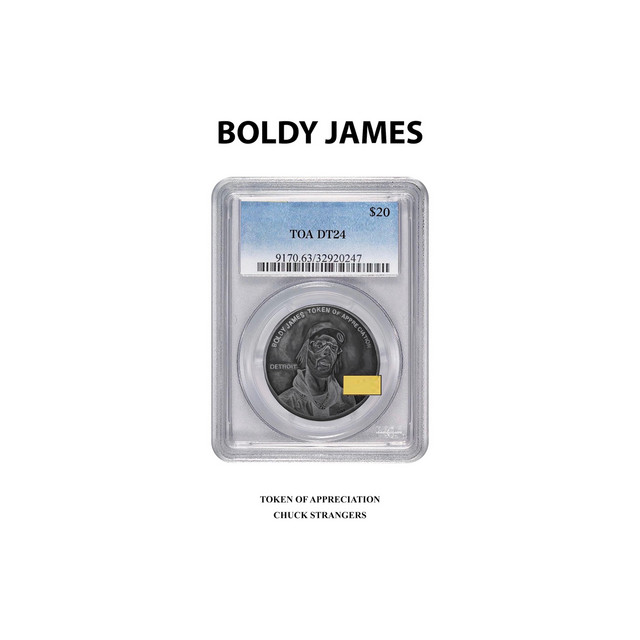
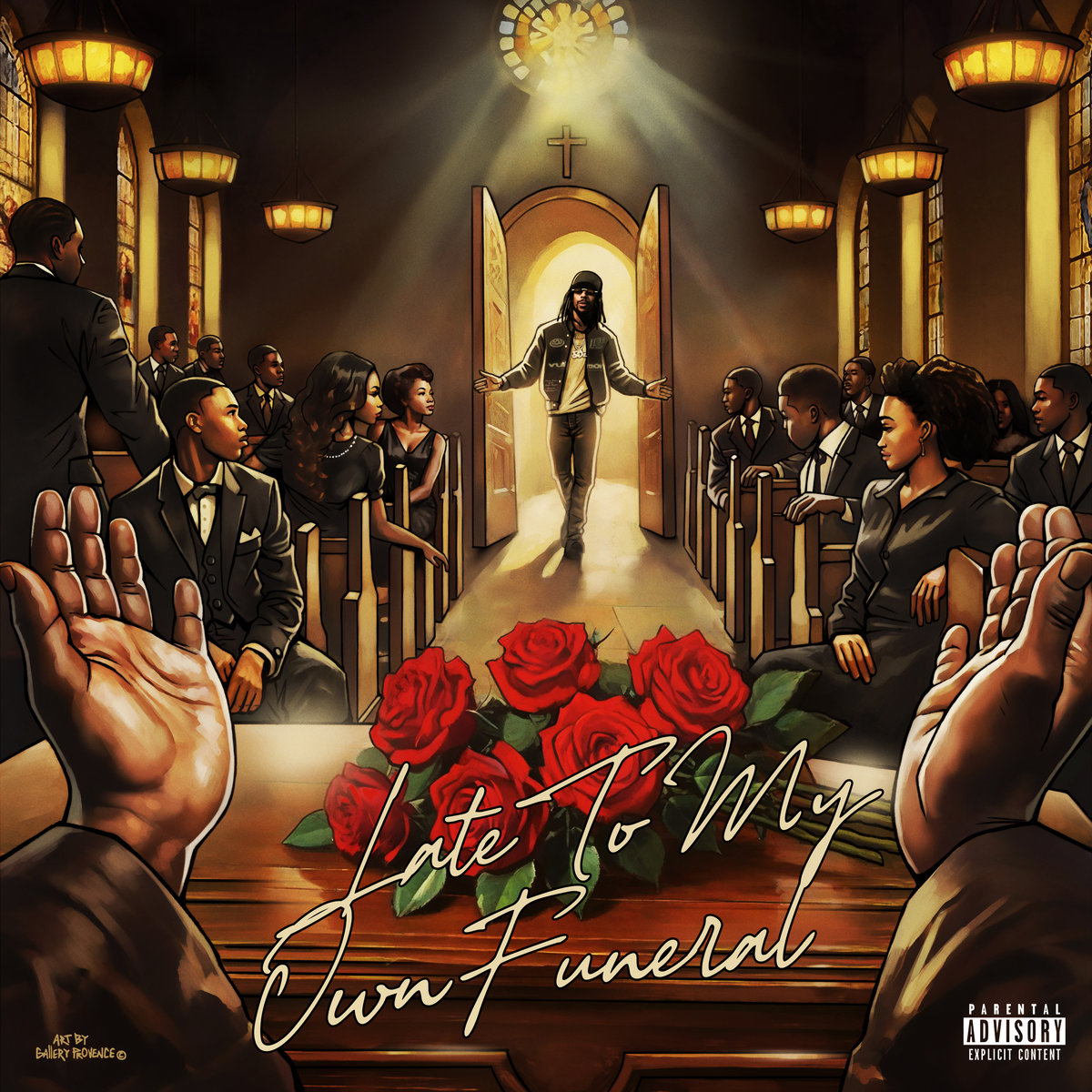 BOLDY JAMES — TOKEN OF APPRECIATION & LATE TO MY OWN FUNERAL (1301 LLC, NICHOLAS CRAVEN PRODUCTIONS)
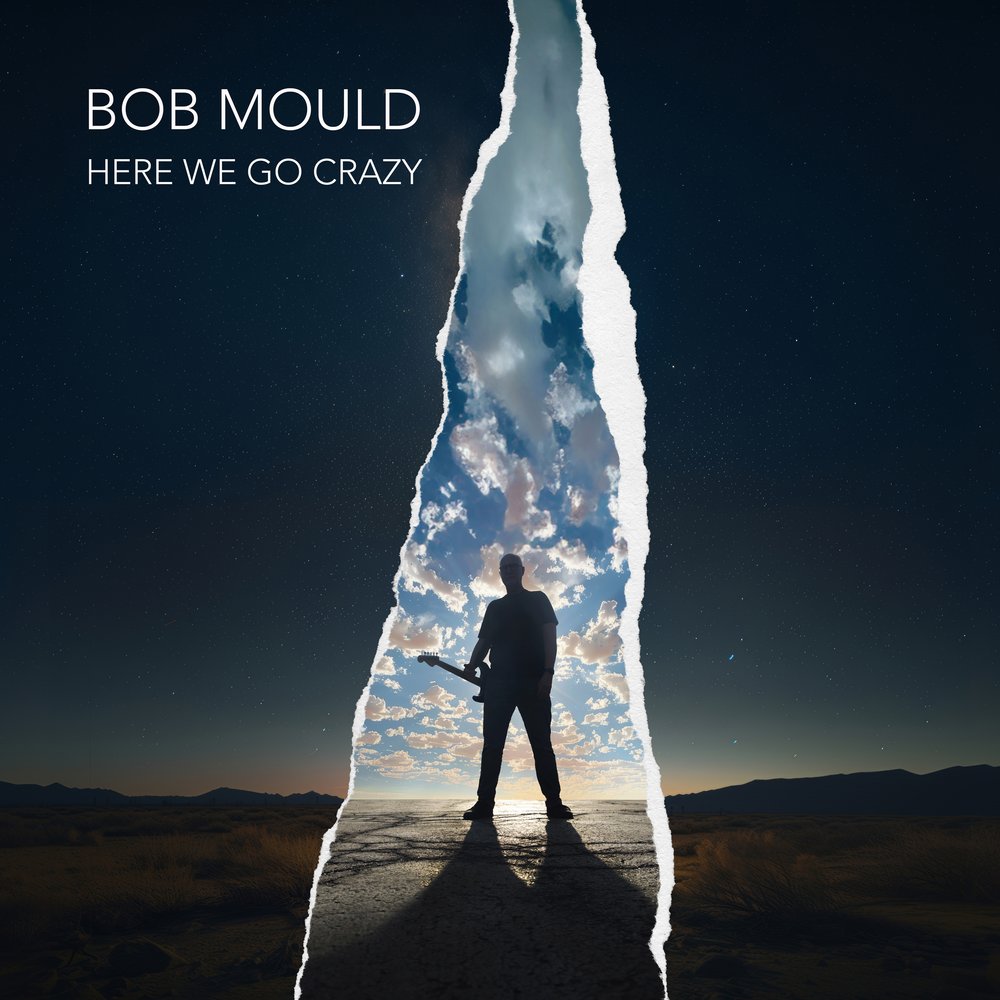 BOB MOULD — HERE WE GO CRAZY (BMG RIGHTS)
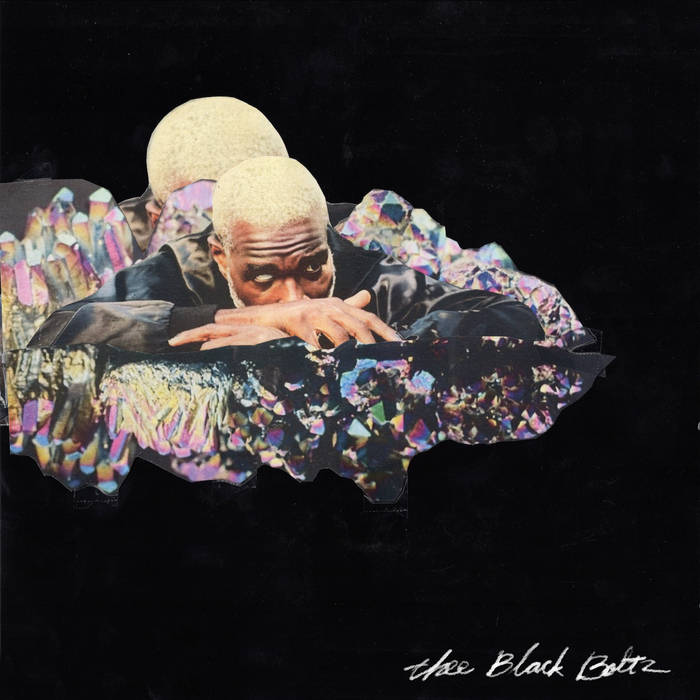 TUNDE ADEBIMPE — THEE BLACK BOLTZ (SUB POP RECORDS)
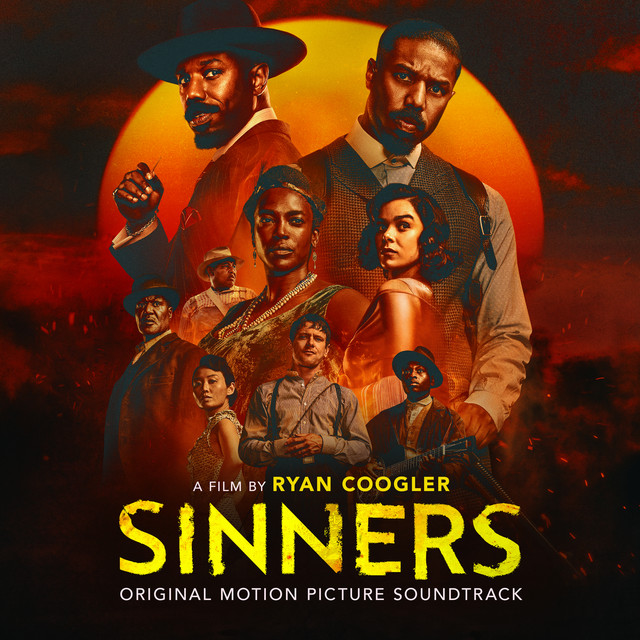 VARIOUS ARTISTS — SINNERS (ORIGINAL MOTION PICTURE SOUNDTRACK) [SONY MUSIC]
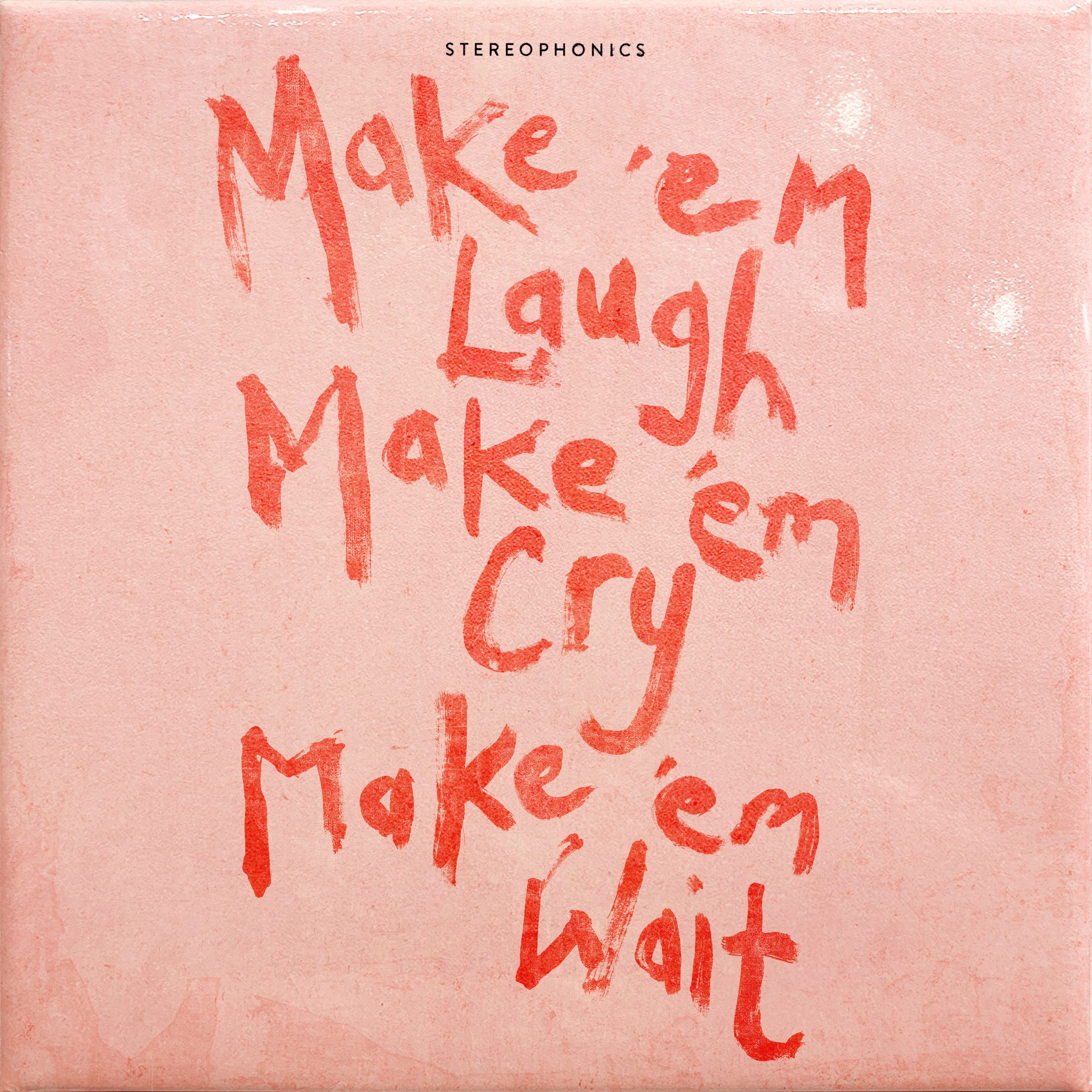 STEREOPHONICS — MAKE ‘EM LAUGH, MAKE ‘EM CRY, MAKE ‘EM WAIT (EMI)
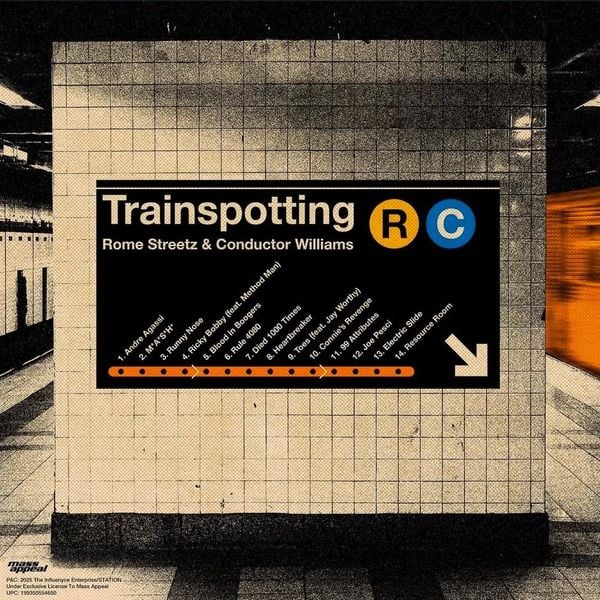 ROME STREETZ & CONDUCTOR WILLIAMS — TRAINSPOTTING (MASS APPEAL)
 TURNSTILE — NEVER ENOUGH (ROARDRUNNER RECORDS)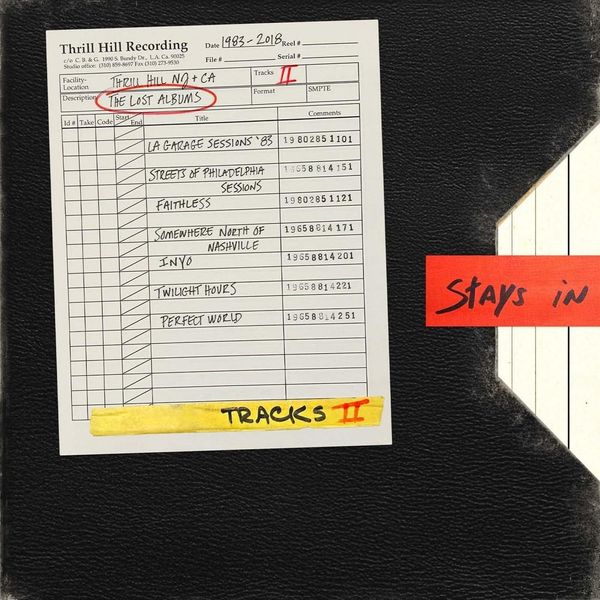
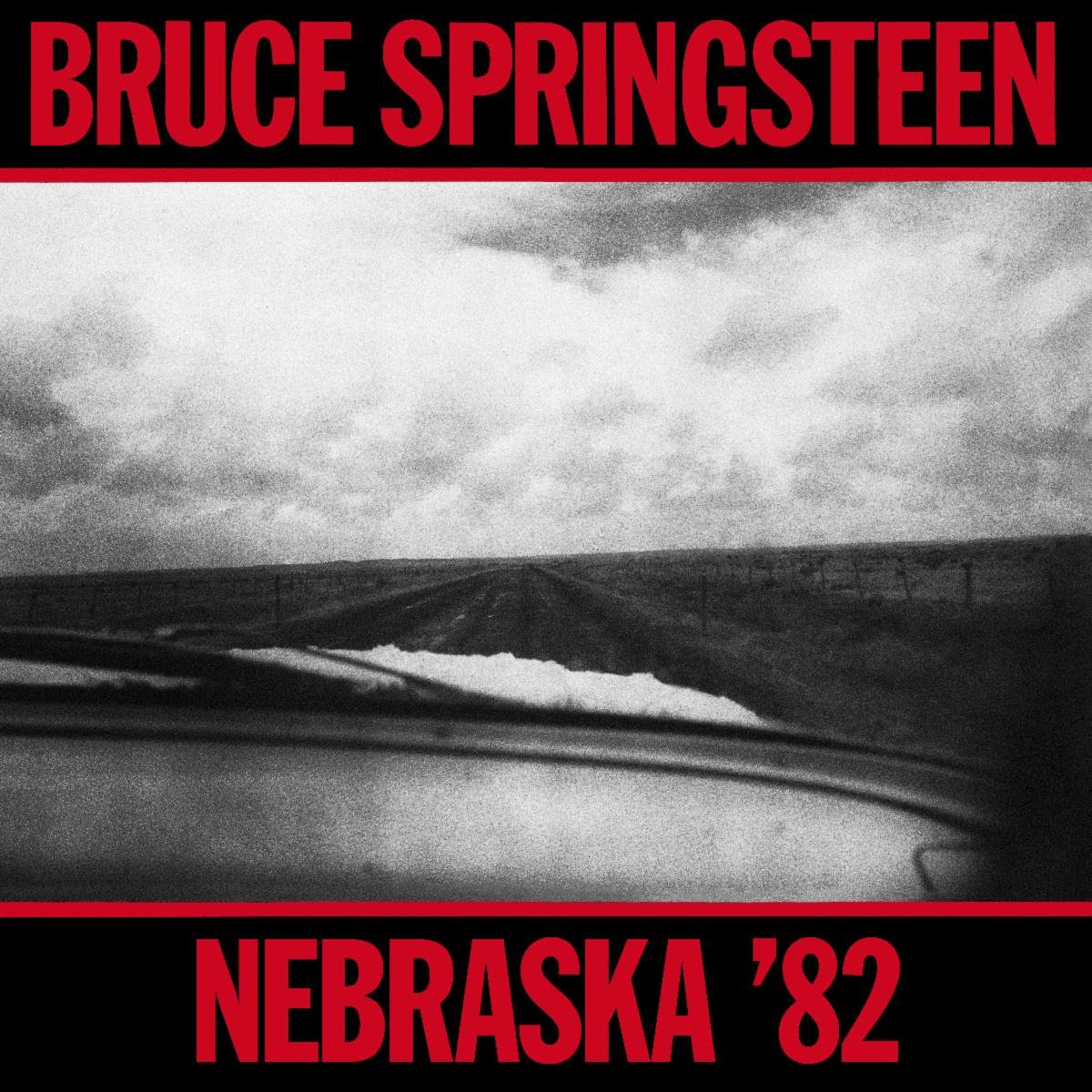 BRUCE SPRINGSTEEN — TRACKS II: THE LOST ALBUMS & NEBRASKA ’82: EXPANDED EDITION (COLUMBIA RECORDS)
 KEVIN ABSTRACT — BLUSH (X8 MUSIC)
 CLIPSE — LET GOD SORT EM OUT (ROC NATION)
 OPEN MIKE EAGLE — NEIGHBORHOOD GODS UNLIMITED (AUTO REVERSE)
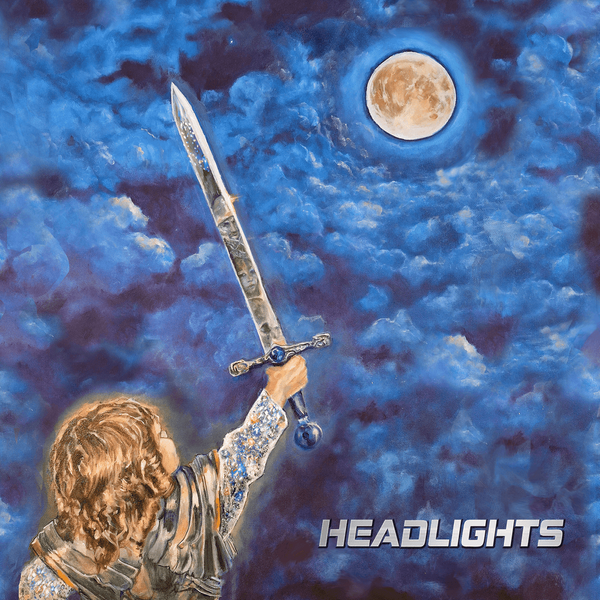 ALEX G — HEADLIGHTS (RCA RECORDS)
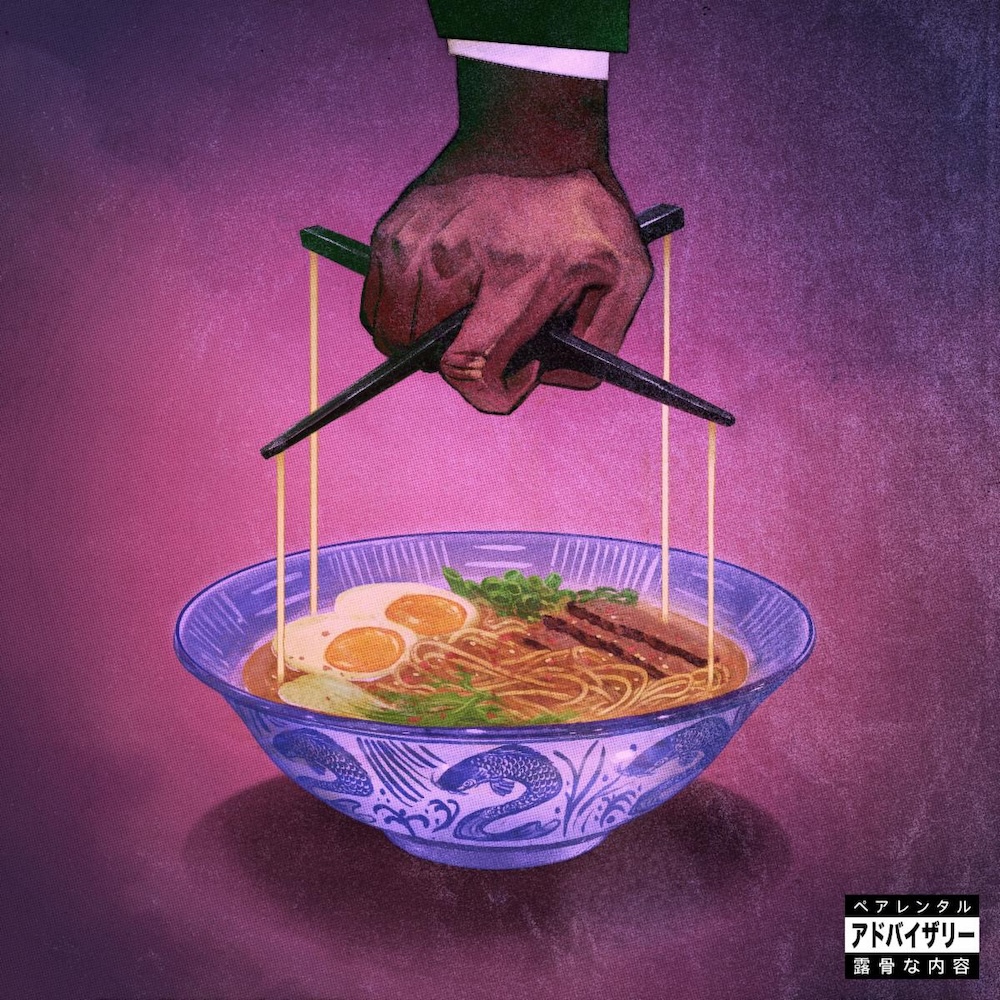 FREDDIE GIBBS & THE ALCHEMIST — ALFREDO II (ESGN LLC)
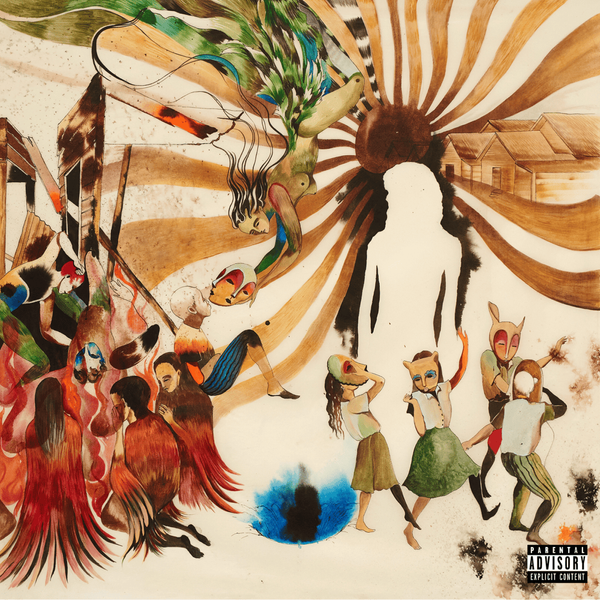 JID — GOD DOES LIKE UGLY (DREAMVILLE RECORDS)
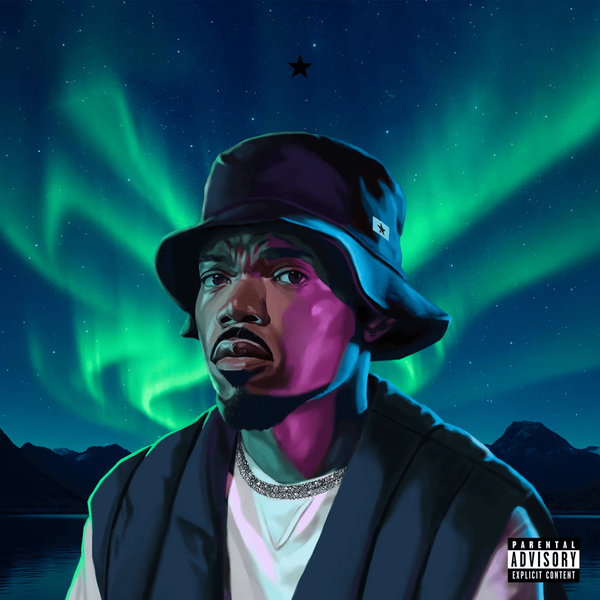 CHANCE THE RAPPER — STAR LINE (CHANCE THE RAPPER)
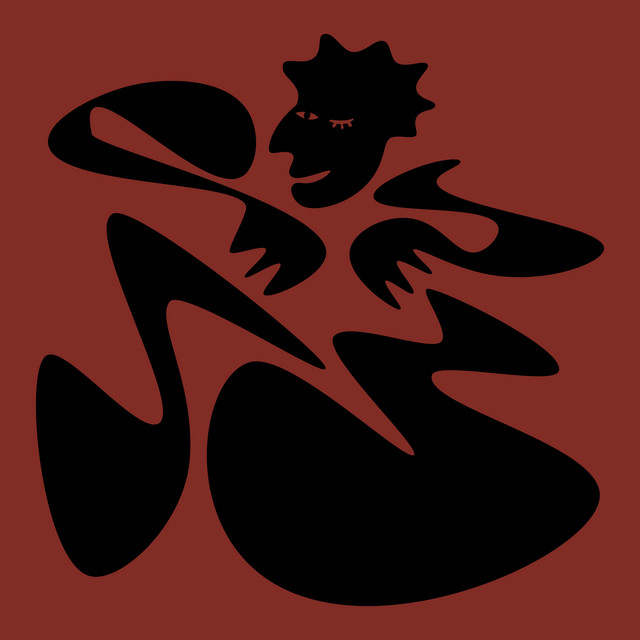 KAYTRANADA — AIN’T NO DAMN WAY! (RCA RECORDS)
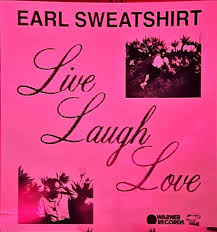 EARL SWEATSHIRT — LIVE LAUGH LOVE (TAN CRESSIDA)
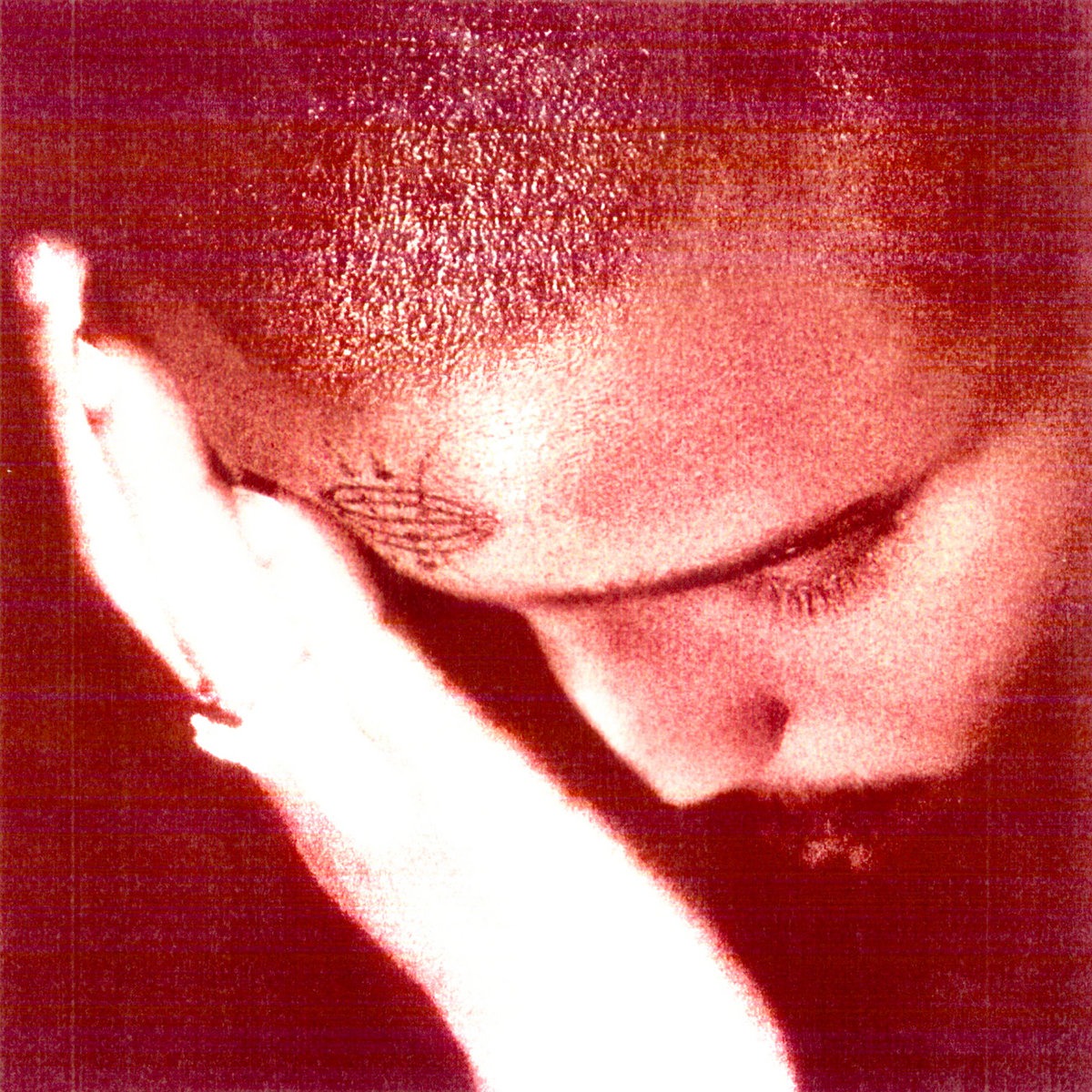 NOURISHED BY TIME — THE PASSIONATE ONES (XL RECORDINGS)
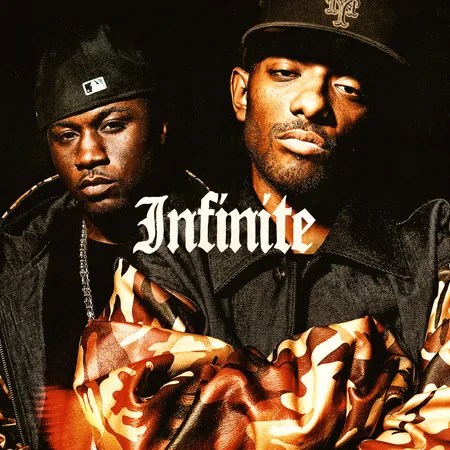 MOBB DEEP — INFINITE (MASS APPEAL)
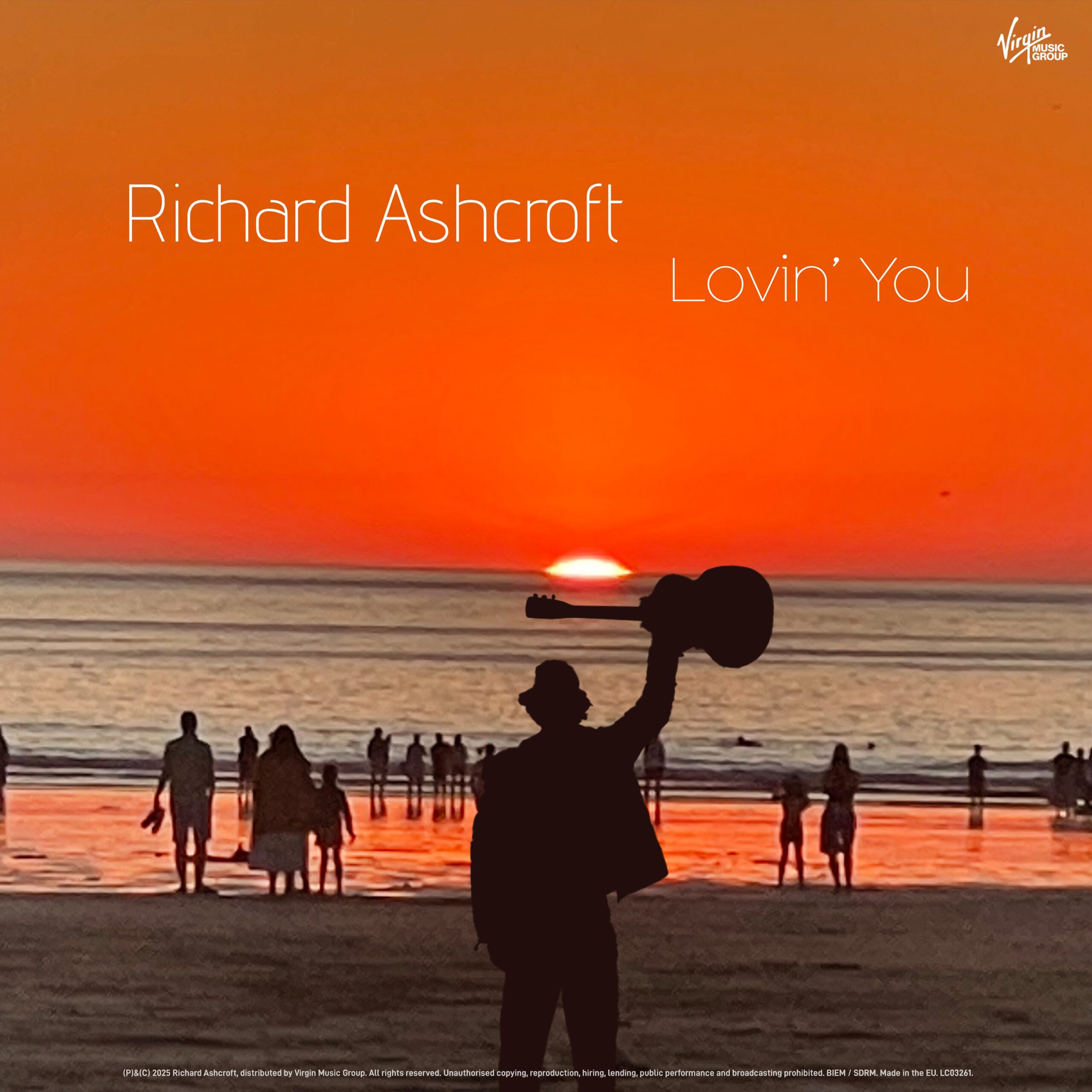 RICHARD ASHCROFT — LOVIN’ YOU (VIRGIN MUSIC GROUP)
 DANIEL CAESAR — SON OF SPERGY (REPUBLIC RECORDS)
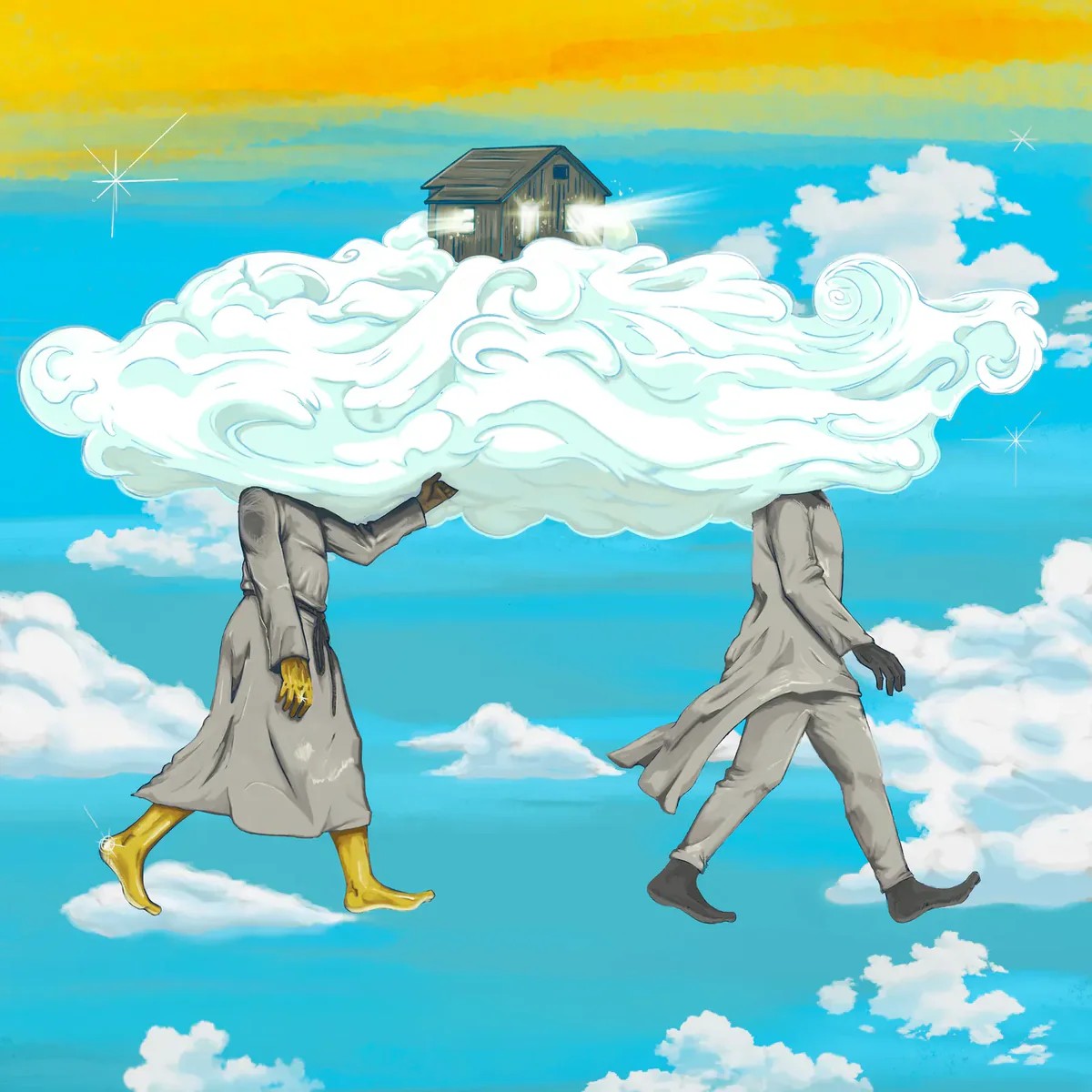 DE LA SOUL — CABIN IN THE SKY (MASS APPEAL)


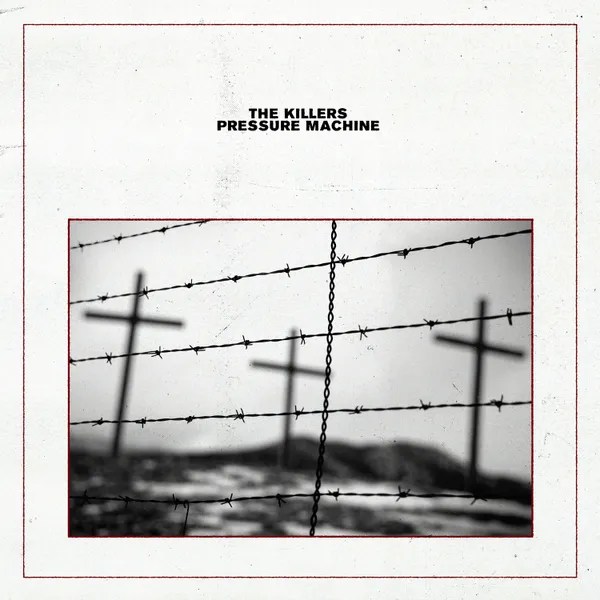

 BRIAN FALLON — LOCAL HONEY (LESSER KNOWN RECORDS)
 THE STROKES — THE NEW ABNORMAL (RCA RECORDS)
 FAKE NAMES — FAKE NAMES (EPITAPH)
 FREDDIE GIBBS & THE ALCHEMIST — ALFREDO (ESGN / EMPIRE)
 GEORGE CLANTON & NICK HEXUM — GEORGE CLANTON & NICK HEXUM (100% ELECTRONICA)
 DOMINIC FIKE — WHAT COULD POSSIBLY GO WRONG (COLUMBIA RECORDS)
 THE KILLERS — IMPLODING THE MIRAGE (ISLAND RECORDS)
 TOUCHÉ AMORÉ — LAMENT (EPITAPH)
 BRUCE SPRINGSTEEN — LETTER TO YOU (COLUMBIA RECORDS)
 SMASHING PUMPKINS — CYR (SUMERIAN RECORDS)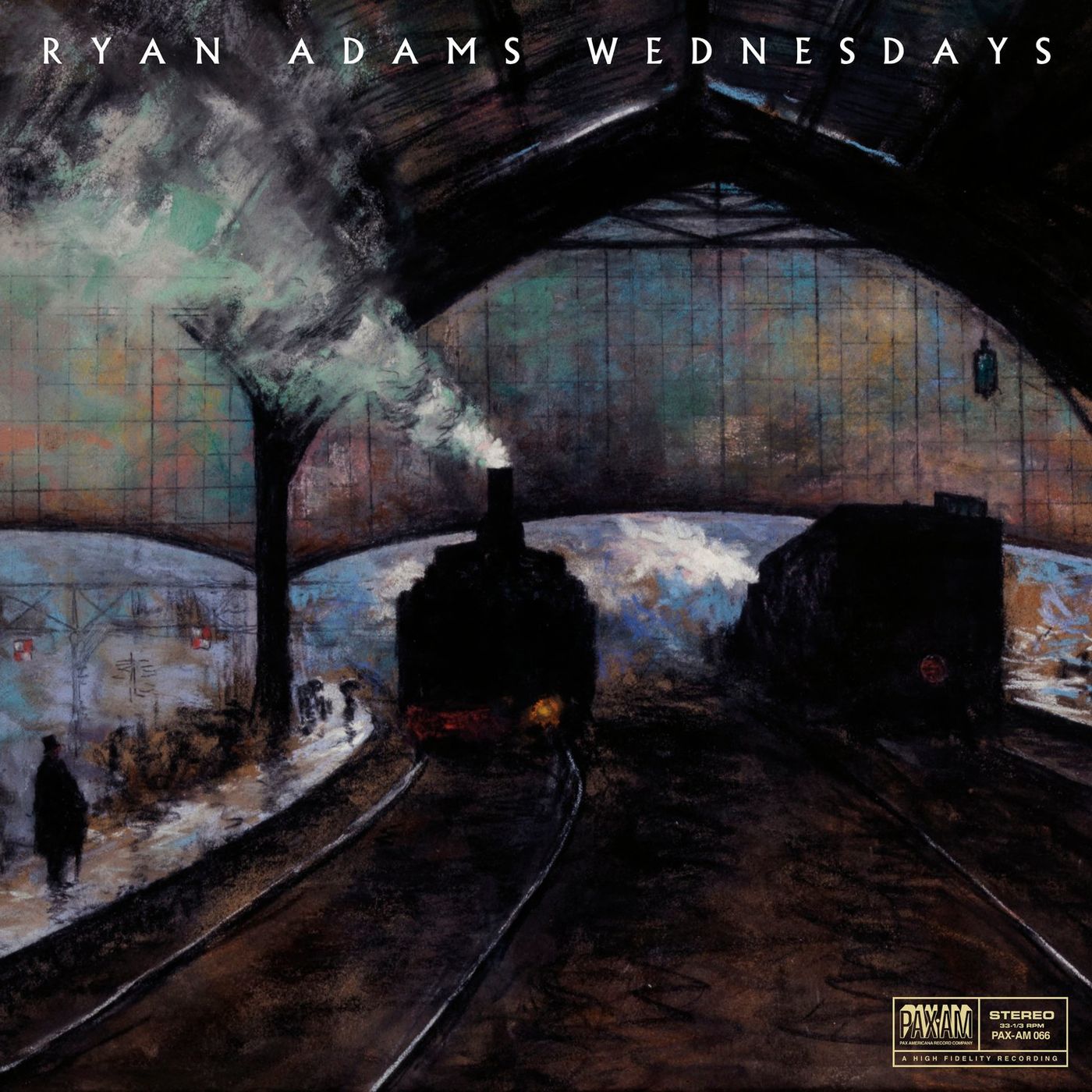


 Everything Must Swing