Once again, we just cannot get over how breathtakingly perfect, laudably defiant, and effortlessly delivered this sound recording is. To every new song we are reviewing, either you get to Adam Granduciel-level or get the f**k out.
We’d like to thank you sincerely for taking the time to read this and we hope to feel your interest again next time.
Ryan Adams has gone dark in 2026. Not in a creative or musical way (although his 2025 tail-end LP Self Portrait wasn’t exactly wedding material), but in the sense that he’s all but disappeared from the global ether. In many ways, one could argue he’s been dark since his embryonal artistic early days in the mid-Nineties. But what we’re noticing here is a relatively uncharacteristic online strike on the part of the 51-year old singer/songwriter, whose otherwise spontaneous, irreverent, and unhinged social media approach had largely been dominating the past few years, for better or worse. Interestingly, the tumbleweed of silence appears to have transferred over to his natively managed PaxAm email newsletters too, with the last issue—announcing the underwhelming live ‘re-imagining’ of Another Wednesday—dating as far back as early 2025.
Sure, what appears to be a carefully constructed absence might have something to do with the presumable umpteenth change in management style, an agency representation line up switch, or the fact that his main source code of news and updates—his official Instagram page—has been bio’d with a ‘Run by mgmt’ for a while now. Because of all of this, aside from announcing gnarly custom signature guitars and a solo acoustic European tour slated for this Fall via boilerplate publicity post write ups, the DRA has been missing in action in the year of our Lord 2026. Expect for… teasing new studio albums. That should track for someone with almost forty full lengths out attached to his name, shouldn’t it?
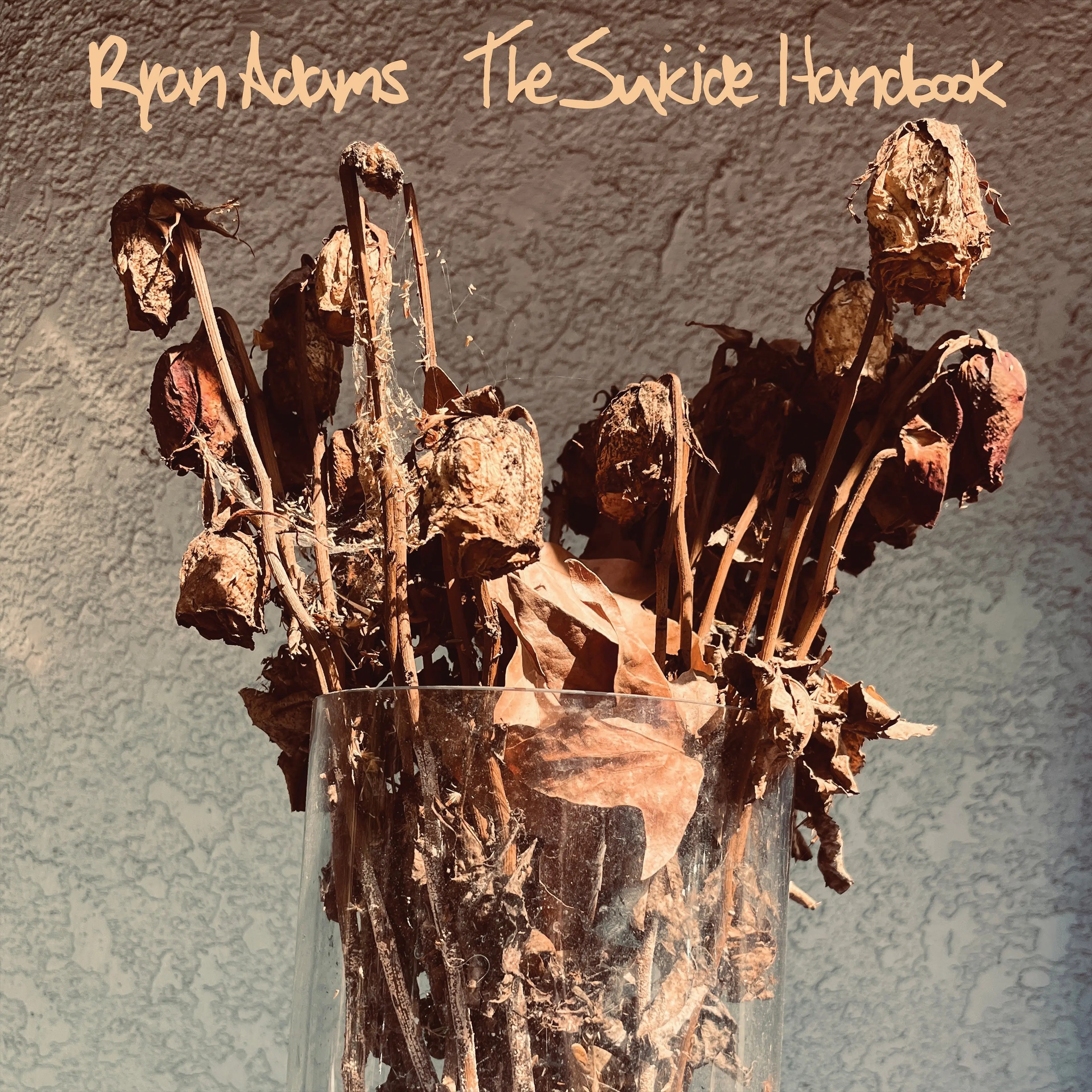
At any rate, to get our ducks back in a row, let us point you in the direction of as recently as mid May this year, when the PaxAm CEO and founder made a rare online appearance to low-key couch an informal announcement within a more formal announcement that he was in the middle of working on his second new album, tentatively titled Animal (this in spite of declaring it ‘finished’ last December…). With that being said, the real reason we’re here today is momentous, for it is to discuss a different PSA from the Adams camp that came out just a tad before that, on 27th April. On said date, his management put out an unexpected message alerting fans in a somewhat sterilized and sanitized fashion that the long-awaited, long-requestedSuicide Handbook LP was indeed going to finally come out on 12th June. We didn’t hear it from the former Blue Note recording artist directly, but this is generational news if you’re an early Noughties Ryan Adams nostalgic and a third act revisionist.
Billed by his label PaxAm as one of the alt-country prodigy’s “most elusive and mythic recordings”, the 21-track compilation was further advertised as “a raw and intimate collection of songs that captures the songwriter at his most unguarded. Recorded at the beginning of his solo career and long circulating only through bootlegs, the album has earned a legendary status among die-hard fans and fans of the Americana genre alike for its stark stripped-back beauty”. So, a quarter century since it first began circulating as a leaked bootleg in light of his then-label Lost Highway Records’s refusal to release it as an official album due to its darker and sadder tones, The Suicide Handbook has at long last, miraculously, seen the light of day. Let us delve into it head-first.
Filed as what should probably count as the former Whiskeytown and Cardinals frontman’s thirty-second solo studio album since his 2000 debut Heartbreaker, the lore tape did in fact come out a few weeks ago as promised. That felt like a good start. Available in both physical formats (vinyl and CD) as well as digitally, The Suicide Handbook‘s official (and original) 21-song tracklist was regrettably downgraded to 18 records on DSPs (digital service providers, ergo the Spotifys and Apple Musics of this world)—in all likelihood due to ongoing rights disputes over three cuts that ended up getting released in their original version on 2002’s Demolition via Lost Highway/UMG: “She Wants to Play Hearts“, “Cry On Demand“, and “Dear Chicago” (bizarrely listed as just “Chicago” on PaxAm’s website).
Luckily, the same fate wasn’t reserved to the batch of songs that went on to be re-recorded for DRA’s Gold (“Wild Flowers“, “Touch, Feel & Lose“, “Firecracker“, “La Cienega Just Smiled“, “Just Saying Hi” later retitled to “Answering Bell“) and his Cardinals’ joint Easy Tiger (“Off Broadway“). As music industry cats and copyright lawyers would know it, the clue is in the re-taping of the masters, aka the sound recordings of all of these, whose streaming licensing exclusive is probably still owned by Lost Highway, unlike the song ideas themselves, aka the compositions, which should be under Adams’s publishing control no matter the exploitation format (alongside the early acoustic renditions of these songs, i.e. the ones being released now on The Suicide Handbook). Look no further than this litmus test artifact to get a sense of how deliberately intricate and nuanced the copyright framework is for commercial music. As a case in point—and to add insult to injury—the album actually began to disappear from DSPs at around 6am ET on Monday 22nd June, and is still unavailable for streaming at the time of this writing.
It’s a good thing PaxAm was allegedly in a position to at least salvage the non-Demolition songs, for releasing the record without all nine aforementioned tunes would have made little to no sense at all—particularly accounting for the loud vox populi calling for The Suicide Handbook to finally be released in its original 21-track incarnation for over two decades… Mind you, even considering how stunning and enchanting this collection is wall-to-wall, losing “She Wants to Play Hearts”, “Cry On Demand”, and “Dear Chicago” to Demolition sounds and feels like an incredibly low blow for the end digital product.
Not only were these three tunes sacrificed for a top-down imposed, glorified palate cleanser mixtape of loosies following the stratospheric success of his first two records (2000’s Heartbreaker and Gold the following year), but both “Cry On Demand” and “Dear Chicago” would have remained peak standouts even amidst such a strong collection of tracks. One is left wondering whether Ryan ever considered re-recording those three to re-snatch their master rights back, effectively putting out a more cohesive and unified record across playback formats? Let us run with the assumption that this was the time he thought better of whipping up impromptu low-fidelity home-spun versions of exquisite gems in the spirit of retaining the original sound cohesion across all 21 tracks.
Something we should say for full disclosure at this point is that we weren’t exactly terribly familiar with or attached to the 2001/2002 bootlegged version of The Suicide Handbook before this revamp. That acclaimed and treasured collection seemed to be unifying legions of his erratic and disjointed fanbase, acting as the one album that slipped through the cracks, the one that put even the most voraciously polarized in agreement. The reason for our alleged indifference is that even though we have been covering every single release the DRA has dropped since 2015, we weren’t necessarily soaked in nostalgia, and mostly kept it a buck oriented to his forward-looking, newer material. Not that there was any scarcity of it, mind you: just in the eleven-year lifespan of this site, the world’s preeminent pinball historian has dished out as many as twenty studio albums (not counting live ones!).
Back to the record. What immediately stands out when bumping the tape from the top is the incredibly crisp and fine-tuned quality of these recordings. This alone is a welcome breath of fresh air on account of the relatively inconsistent production, mixing, and engineering found on some of his latest albums. This thing is an acoustic and mostly unplugged affair, with Ryan’s sharp song crafting, his voice, and some impeccable guitar playing carrying most of the weight, most of the time. Cuts like “Perfect and True” and “Tell It to My Heart” on the front end of the record, or even “Bow to the Sad Lady” and “Miss Sunflower” on the flip side, are not only sensationally intense and catchy, but they also reveal themselves over repeated listens, thus carrying lofty replay value.
The hushed and untouched veneer that permeates these tracks feels almost unfair in the way that it further decouples the already unmediated heart-on-sleeve confessionals committed to tape beyond any self-effacing charades. A tune like “For No One”, at number nine on the tracklist, has got to be one of Adams’s best tracks in his released catalogue, hands down. The way its melancholic yet self-aware storytelling gets accompanied by soft and husky piano licks and a tasteful steel guitar is just true blue trademark DRA. Truly and honestly, with the benefit of twenty-twenty hindsight, it does strike us as odd and ill-informed at best that such a sticky and timeless collection of songs—one that he might have intended to come out as a double-disc album in 2001—was shelved by the imprint on grounds of lack of commercial viability. This album in its totality stands as a top 3 all-acoustic Ryan Adams project ever (we’ll throw Ashes & Fire and Wednesdays in there too).
And don’t even get it twisted—the performances are far from perfect, but as most music goes, that’s kind of the point. In spite of the refreshingly elevated studio-grading recording and playback quality of most of these songs, there are a whole host of apparent blemishes still in the mix, such as hitting bum notes at the end (“Bow to the Sad Lady”) or portions of studio mic banter bleeding through (check out the concluding seconds of “Off Broadway”). There are also a couple of tea leaves left on the record that strict music historians would perhaps have liked to have seen elsewhere; cf. streaming-version coda “Idiots Rule the World” both hinting at and perhaps better belonging to his later LP Love is Hell (2004). Nothing that distracts or takes away from the unified listen to The Suicide Handbook though. This is a statement—or better yet, signature—release by Ryan Adams.
The multi-hyphenate creative auteur has sure been keeping busy at work over the past year, and not insignificant parts of us are glad he’s done that largely while being away from the jaws of online hell. There also appear to be clues that he might even have relocated away from Los Angeles and the U.S. West Coast altogether. During the aforementioned rare online camera appearance this past May, he hinted at a cleverly subtle rebrand of his label to PaxPm—something he first teased in November last year.
The business transfer assumption further appears to be validated by the copyright disclaimers printed on physical formats of The Suicide Handbook, listing his new label mailing address in the Southeast of the U.S., on 3630 Peachtree Road NE, Suite 600, Atlanta GA 30326. To make matters slightly more convoluted, PaxAm’s merchandising arm seems to be incorporated somewhere else altogether: PaxAm Shop 3200 South 24th Street, Kansas City KS 66106. Not that it should matter all that much. Instead of geographical or logistical clarification, if there is anything we could ask him and his entourage would be to please bring back this record to global streaming services—after being held prisoner 26 years, it’s too good for its time in the limelight to just have lasted ten days.
We’d like to thank you sincerely for taking the time to read this and we hope to feel your interest again next time.
We’ll start by saying that the new A$AP Rocky and J. Cole joints both go pretty hard. Mega hard, in fact. They better do, after almost a decade of teasing, undoing, and gestating for each. At this time, we’re fairly confident in saying that DON’T BE DUMB and The Fall-Off are the two MCs’ best projects to date. Let us throw in some context. As far as J. Cole is concerned—nearly two decades after his debut mixtape The Come Up, the Dreamville Records-founder has handily risen to the top tier of the hip-hop stratosphere as a rarified album-focused spitter, amongst a legion of singles-driven ambulance chasers. The Fayetteville, NC-native deliberately forged his body of work on his own terms, earning major accolades and a fiercely loyal fanbase. Now 41, he gives us what is reportedly his final album, aptly titled The Fall-Off. Rather than a true blue victory lap, the expansive, 2-disc, 24-track oeuvre showcases sustained creative energy and nurtured reflection. And it’s jammed with hoopin‘ references.
The front-end, filled with nods to his Carolinian stomping grounds and his 2014 Forest Hills Drive era, highlights Cole’s storytelling strengths and influences—from Nas-inspired lyricism to more personal, vulnerable moments. On disc 2, the stronger of the two, he shifts from nostalgia to self-assessment, examining his legacy and growth with heightened maturity. By the album coda, he ties past and present together, returning to the profound sense of place that has long defined his journey. A diametrically opposed introduction is in order when it comes to Rocky. As soon as he emerged as the breakout star of Harlem’s A$AP Mob in the early 2010s, he seemed destined for fame—pairing striking flows with a sound that blended New York street rap, Houston chopped-and-screwed textures, and hazy electronic ultralight beams. After the success of his 2011 breakout mixtape LIVE.LOVE.A$AP, he quickly rose through rap’s heavyweights ladder. In recent years, Lord Flacko vastly expanded his focus beyond music, stepping into acting, high-fashion design, and high-profile cultural moments—not without prompting some to question whether spitting 16s was still his priority.
His latest fourth studio LP, DON’T BE DUMB, answers that decisively. His first full-length since 2018’s TESTING, the Tim Burton-artistically directed tape reasserts his place among hip-hop’s narrow elite, balancing brash confidence with refined avant-garde artistry. The pretty motherfu**er addresses rivals and past conflicts head-on, while also embracing a seasoned, eclectic sound—moving from jazz-inflected experimentation to psychedelic trap. True to form, his sharp curatorial instincts shine throughout the hour-long full length, pairing unexpected collaborators and producers (aside from Burton, BossMan Dlow, Brent Faiyaz, Gorillaz, Doechii, Jessica Pratt, Sauce Walka, Slay Squad, Westside Gunn, and will.i.am inter alia) in ways that nod to his beginnings while pushing his style forward.
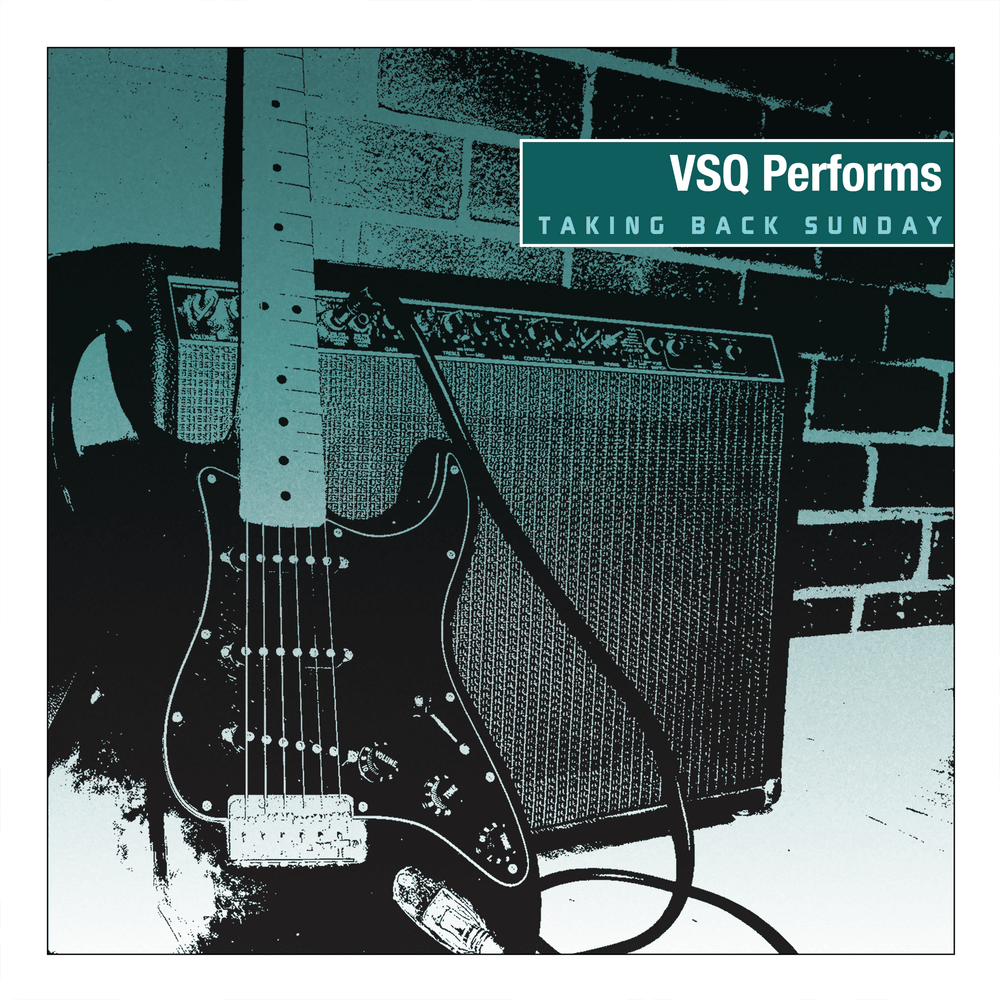
The above mentioned rap excursuses aside, we’re actually here to talk about the twentieth anniversary of a classical music tribute to Taking Back Sunday? Yup. Our curious object of inquiry is a bizarre 2006 musical ode by the so-called Vitamin String Quartet—VSQ in short—featuring instrumental, string-driven covers of the most popular Taking Back Sunday tunes at the time. The 12-track collection, released on Vitamin Records in the April of two decades (under the influence) ago, re-arranges the Long Island emo veterans’ high-energy, guitar-driven sound from their first two records through violin, viola, and cello renditions. There’s even an original composition and arrangement by VSQ, titled “You’re Good News (To Me)“, to bookend the collection. The whole thing kind of rules. Not sure a whole lot of TBS stans are aware of it.
Oddly enough, the album changed its nominal title from the initial ‘Strung Out on Taking Back Sunday: The String Quartet Tribute‘ (as evidenced here) to VSQ Performs Taking Back Sunday around 2015—presumably due to changing distribution licensing reasons. Hilariously, by virtue of its main high-brow genre, the concerto is also listed under the Apple Music Classical streaming service (peep here), causing the composer metadata to get rendered as a scrambled itemized hodgepodge including a mix of Mark O’Connell, Adam Burbank Lazzara, Shaun Cooper, Fred Mascherino, Frederick Paul Mascherino, and Tom Tally, a former VSQ member. Yeah, no John Nolan sadly.
So what’s good with Vitamin String Quartet? Since launching in 1999, VSQ has been dubbed as a leading force in classical crossover, bringing string interpretations of contemporary music to a global audience. Their work seems to have soundtracked study sessions, weddings, and standout film and TV moments, with high-profile placements in recent productions like Bridgerton and The King of Staten Island. Praised by Variety and Nylon, VSQ is now one of the world’s most popular contemporary string ensembles. With more than 300 releases under their belts at this point, the quartet has reimagined an eclectic range of artists—from Cardi B to Björk, and from Studio Ghibli scores to goth metal—seamlessly blending classical instrumentation with original pop, rock, hip-hop, and electronic music. This kind of goes to show how big Taking Back Sunday was at the halfway point of the 2000s to be handpicked amongst such company (and to think that their most commercially successful record, Louder Now, hadn’t even come out yet at the time).
To date, VSQ has amassed over two billion streams, nearly four million downloads, and more than one million physical sales. For all intents and purposes, they’re pretty huge. Apparently, seven of their LPs have charted on Billboard, including a #4 peak in the Classical and Classical Crossover categories. VSQ Performs Lana Del Rey even earned them a 2021 Libera Award nomination for Best Classical Record. The outfit is based in Los Angeles, where the rotating collective is said to be frequently collaborating with fellow musicians and visual creators, continuing to expand a vast catalog. As a case in point, their long-running VSQ Performs the Hits instalment series has helped make classical versions of modern pop both accessible and culturally relevant, while front-to-back album tributes showcase the ensemble’s versatility.
Happy twentieth anniversary to this fabulously weird record. It rules so hard. We wouldn’t mind checking out an updated 2026 version with some of TBS’s more sophisticated and mature tunes in the latter part of their discography. Surely “Where My Mouth Is“, “Everything Must Go“, “Call Me in the Morning“, “We Were Younger Then“, “Nothing At All“, “Fences“, “Holy Water“, and “Amphetamine Smiles” would all absolutely rip when performed with the magic fiddles of VSQ. There you go, that’s more than half the tracklist of the redux album already. Over to you, Vitamin String Quartet.
We’d like to thank you sincerely for taking the time to read this and we hope to feel your interest again next time.
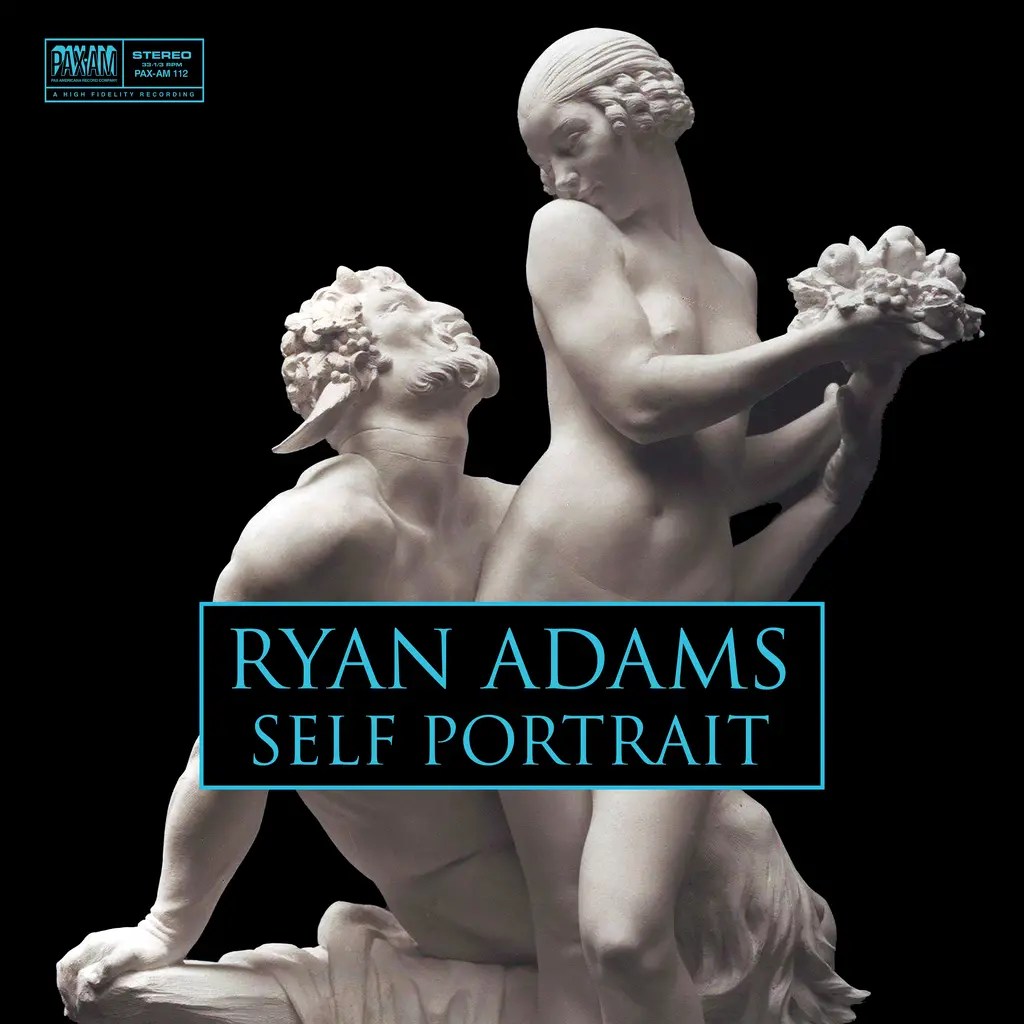
Depending on how exactly you count, Self Portrait should be Ryan Adams’s 31st full length solo effort. Unlike a few of the intervening releases that separate it from BLACKHOLE—2024’s long-awaited and long-presumed indefinitely-shelved cult drop—his new 1st December 2025 exploit is a 24-cut double LP of previously unreleased studio material, including three (and a half) cover songs. Granted, the word ‘studio’ is being used extremely loosely here. No need to beat around the bush: this site’s been up for over ten years at this point, and we have pretty much covered every single piece of new music the 51-year old Jacksonville, NC native has made publicly available since 2015. Sure, we did take a few passes on e.g. his Return to Carnegie Hall (2023) or Another Wednesday (2025) live albums (not to mention his vinyl-only compilation Changes from last June). Similarly, we did not see fit to focus on his 25th Anniversary Edition Heartbreaker reissue several months ago. By and large, that was all due to the fact that none of the aforementioned projects contained any new musical numbers to speak of.
The reason we’re employing the ‘studio’ attribute loosely is because, arguably, since his extraordinary 2021 LP Big Colors, none of the subsequent ten projects feel very much like they were gestated in a true blue studio recording environment. From Chris (2022) to Self Portrait (2025), the through line has for the most part been home-spun and mixtape-like. And to think that this comes without counting as many as eight additional collections since Big Colors that were either of the aforementioned anniversary reissues (Heartbreaker), live tapes (Return to Carnegie Hall, Prisoners, Another Wednesday) or wall-to-wall album-play cover records (Nebraska, Blood on the Tracks, Morning Glory, Changes). Mind you, this is not to say that this is necessarily a bad thing, yet one that warrants an epistemological acknowledgement. For before discoursing about the merits and flaws of his latest, it’s strikes us as perhaps decisive to lean into the paratext that the PaxAm founder is sending us with his release strategy.
He titled this 31st studio LP Self Portrait—does it mean that this low-fidelity, erratic, and hodgepodge-y version of the DRA is his actual true self? At the very least during his third act? After all, this record does match the post-2020-2022 album trilogy modus operandi; one need not even read into that much of tea leaves depth. What is sure is that with now as many bedroom low-fidelity compilations released as big league major label albums back in his commercial heyday—ten in total for both classes, the latter ranging from his seminal 2000 splash Heartbreaker to 2017’s exquisite Prisoner—the question is meritorious and bears significant valence.
So who is the real Ryan Adams in 2026? Is it the author of three lengthy novels in as many years? Or is it the alt-country prodigal son so resentfully clamored by his entitled Reddit fanbase? For what it’s worth, let us bake some method into this investigation in order to look at what the Self Portrait data tells us. To recap, the LP boasts 24 individual records, amounting to almost an hour and fifteen minutes of music, which we’ll go ahead and arbitrarily claim is enough circumstantial evidence to begin inferring some representative conclusions. What we did is listen to each of the cuts on the tracklist in isolation and map them to the most likely, potential, and faithful originally housing post-2020 Ryan Adams studio album. Mostly, this was done by way of judging the recording quality, ethos, aesthetics, and environment of each cut, attempting to match that sonic identikit—as well as the primary writing style of the melodic toplines—to the album timbre resembling it the most. Here’s what we found:
“Virginia in the Rain“, “Stormy Weather“, “Thunderstorm Tears“, “Try Again Tomorrow“, “Theo” — Romeo & Juliet The largest batch of songs sounds like it was inherited from the PaxAm founder’s twentieth studio album as a solo act (2022), which is saying something considering the wild range of sonic styles and explorations on that very record. Clocking in at over an hour of material with already 19 songs in the mix, these are likely loosies and/or throwaways from those writing sessions. By virtue of the album length and format pace the DRA has been keeping of late, few pundits would have bat an eye had these five been quietly laced into the tracklist to make it another 24-track opus like Self Portrait.
“Bye Bye Balloons“, “Fools Game“, “Lovers Under the Moon” — Wednesdays Admittedly more informed by the songwriting at the core of these tunes than the production quality, these three barebones naked unplugged and acoustic numbers wouldn’t have felt too out of place on his 2020 comeback record—perhaps as extra material thrown on top of a market-specific drop. The fact that none of them actually made the bonus tracks cut at the time—especially factoring in how generous Adams typically is with non-LP numbers and outtakes—speaks to the somewhat lukewarm quality and staying power they actually possess.
“Too Old to Die Young“, “I Am a Rollercoaster“, “Look What You Did” — Chris This different crop of Self Portrait songs sports a distinctive Chris kind of musical vibe. Mind you, the highly-anticipated final installment in his powerful 2020-2022 album trilogy—completed by Wednesdays and Big Colors—already showcases some of Ryan Adams’s more immediate and catchiest, if disjointed, songwriting of the past fifteen years. Nonetheless, with yet another bloated tracklist, coming in just shy of sixty minutes of runtime, it’s easy to cut him some slack and understand why these three didn’t quite make it onto any of the commercially released versions at the time. In twenty-twenty hindsight, we would have loved to see either “Too Old to Die Young” or “I Am a Rollercoaster” getting the official upgrade, or at the very least being offered as bonus tracks instead of the hair metal-adjacent “Don’t Follow” that the poet laureate ended up churning out.
“Saturday Night Forever”, “Please, Shut the Fuck Up“, “At Dawn” — Big Colors These three LP standouts err on the shinier and glossier end of the production spectrum (not exactly an awfully high bar for him lately, we know…), while displaying a strong lineage with what’s perhaps the best and most accomplished record in the North Carolinian’s recent discography. Although they don’t quite retain all the required sanitized nooks and crannies to be default-grandfathered into their parent album, their more careful mixing and focused songwriting handily elevate them as amongst the most enjoyable on Self Portrait. “Saturday Night Forever” is gorgeous and sounds like the (even) darker coin flip B side of “In It For the Pleasure”, while “At Dawn” could go neck to neck with “Summer Rain” as the ultimate DRA album swan song—an incredibly tall order.
“Take the Money“, “Not Trash Anymore” — FM “Take the Money” was literally teased and promoted as an FM outtake around the time his power-pop affair dropped in 2022, so that’s a given and perhaps even more of a head scratcher than other jams on here. The non-LP labeling feels fair game and the right outcome for that one, but “Not Trash Anymore” is a strong and muscular tune through and through. It’s a shame it wasn’t included in it four years ago, as it comes across as a bit of a sore thumb on Self Portrait.
“Blue Monday“, “The One I Love“, “Shiny Happy People” — Morning Glory The cover songs for the cover album. From their homespun recording mix to the actual instrumentation committed to tape, these new renditions of New Order and REM classics were in all likelihood cut during the same DIY arrangement and recording sessions as his incredibly hushed and creative Oasis album reimagining. Let’s just say we’re glad Ryan kept these standalones, for they bear less to write home about than pretty much anything on his 2020s album covers series.
“Throw It Away” — Devolver The late 2022 Rock N Roll-spiritual next-of-kin release remains a peppy and underrated project in the alt-country phenom’s canon; this similarly vivacious and inspired cut carries all its songwriting and production fingerprints on it. Considering the more condensed original tracklist on Devolver—with no single record clocking in at longer than 3:14—this should have been on it.
“Castles in the Sand” — Blood on the Tracks If you know you know, but there’s a specific brand of sound capture and playback temperature to the wall-to-wall re-recording of Bob Dylan’s masterpiece, given away for free as a 2022 Christmas present. This ambitious 6-minute jam, somewhat randomly, oozes all of the same hallmarks of what presumably was another home studio set up at the time. Clearly not a potential candidate for the aforementioned covers record, this one-off belter seems to have been sculpted as a torch bearer for the looser and more impromptu kind of Ryan Adams drawl.
“Someone On My Mind“, “I Am Dracula“, “Honky Tonk Girl” — Others These are long tail renegades. We couldn’t quite naturally map any of these three bops to any of his past records. They all pretty much sound like they were cut during the same writing session(s) though, so one is left wondering what kind of different record lies behind them. Their garage-y and more upbeat ethos very much situates them up one of Adams’s more exuberant and storied streets. If our theory that what he sees when he looks in the mirror today is the sprawling, unedited, and primarily low-fidelity singer/songwriter of the past six years is correct, their inclusion appears based.
Notwithstanding the above blow-by-blow granularity, alas the sequencing on Self Portrait continues to be rough. All over the place, once more. Staccato transitions and EQ unbalances render this collection of tunes more like another mixtape, than a cohesive or even conceptual album. Think Chris, rather than Prisoner. Its further shortcomings include the annoying audio static on most of this thing’s mix, as well as many hackneyed bits of Ryan counting-in the songs. Although the latter is of course not necessarily a bad thing, when done intentionally and contextually, the abundant and incoherent times it appears on here feel both unnecessary and haphazard at best. Also, too often one can hear Ryan’s pick hitting the acoustic guitar’s body before or after a performance—another clue pointing to a very self-recorded affair. Indeed, as many seem to speculate online, Self Portrait sounds like yet another album cobbled together by the DRA himself, while left to his own devices. That would mean no major label studio-grading recording engineer in the picture—nor an external curator/consigliere to help him guide song selection and sequencing.
Yet, for as much as his fans seem to think otherwise, the fact of the matter is that Ryan remains in control of his own creative output. He has the complete God-given right to steer the bull by its horns in whichever direction he prefers. Regardless of album creation heuristics, what stays indelible at the end of the day are his artistic choices and the way they can be interpreted by listeners. Ever the self-aware, contrarian, and ironic auteur, one’s gotta sprinkle some humor and affability for accuracy on top though. So while we shall never really find out for sure what his mirrored image looks like, or what he thinks it looks like, titling your 31st studio album Self Portrait feels daring and evanescent at the same time. Is it a giant f**k you to snob and presumptuous superfans who won’t stop crying digital tears until he remakes Heartbreaker and Jacksonville City Nights over and over, or a faithful statement of artistic intent as he evolves throughout the third decade of the new millennium? Like it or not, we’re not so sure the man even knows himself.
We’d like to thank you sincerely for taking the time to read this and we hope to feel your interest again next time.
I’d like to thank you sincerely for taking the time to read this and I hope to feel your interest again next time. And happy holidays this time around.
I’d like to thank you sincerely for taking the time to read this and I hope to feel your interest again next time. And happy holidays this time around.


 SAULT — ACTS OF FAITH & 10 (FOREVER LIVING ORIGINALS)
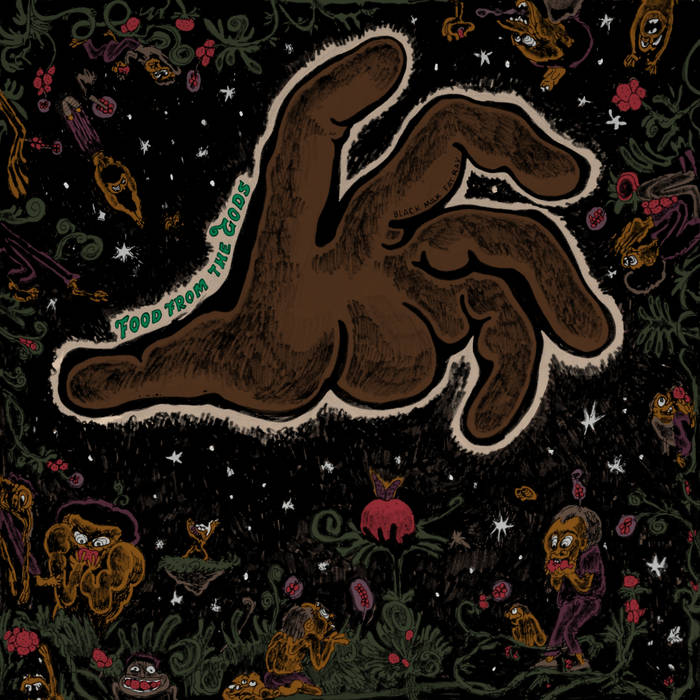 BLACK MILK & FAT RAY — FOOD FROM THE GODS (COMPUTER UGLY/FAT BEATS)
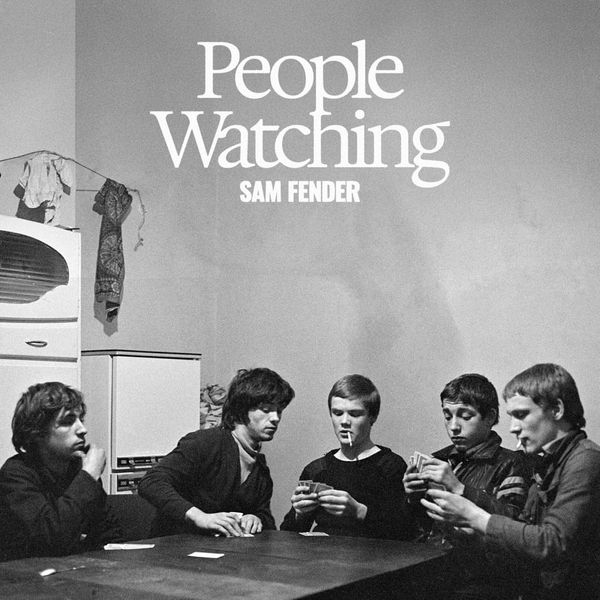 SAM FENDER — PEOPLE WATCHING (POLYDOR RECORDS)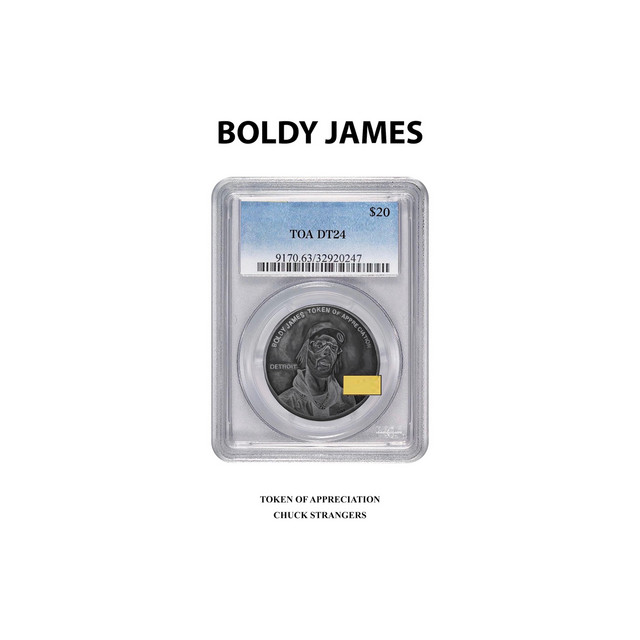
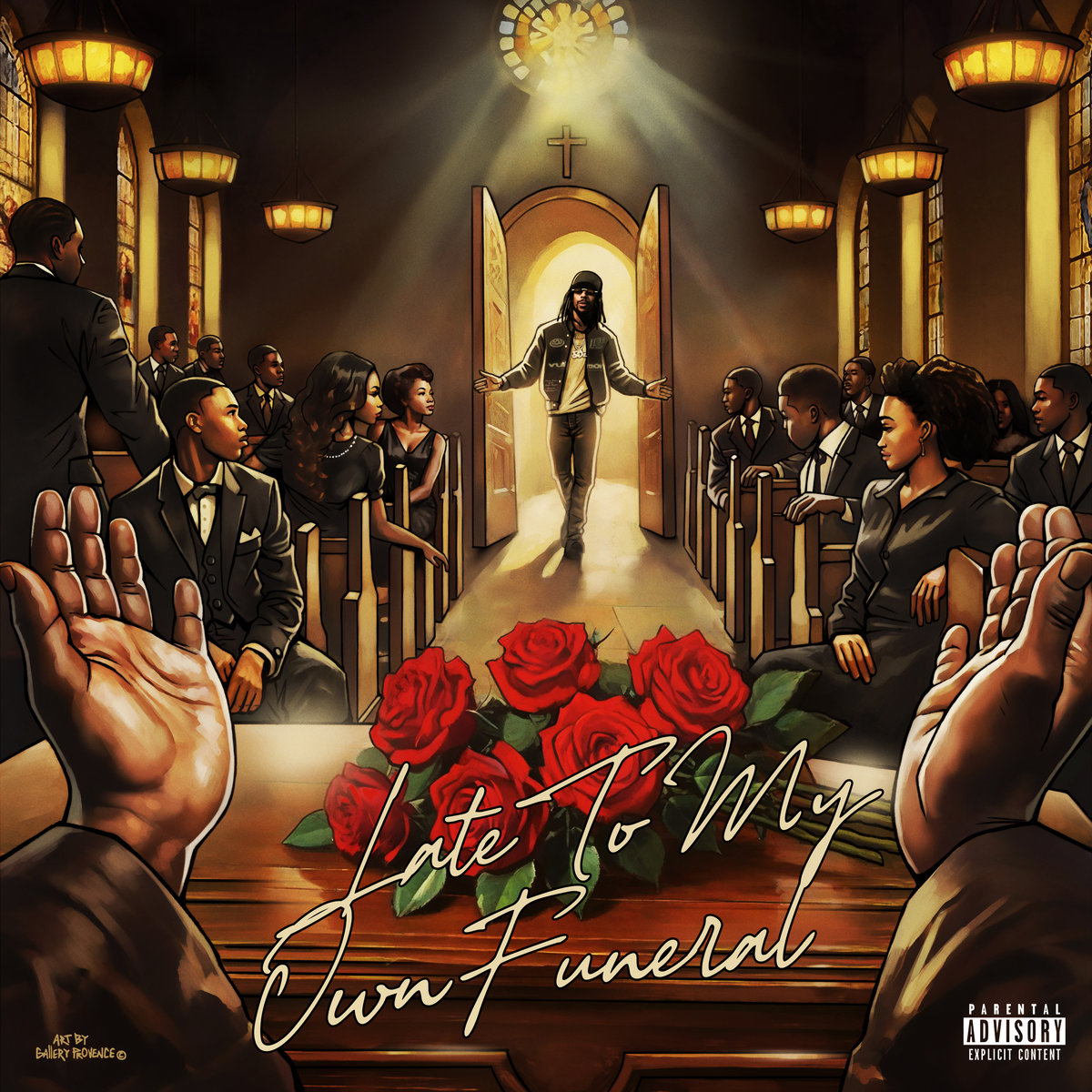 BOLDY JAMES — TOKEN OF APPRECIATION & LATE TO MY OWN FUNERAL (1301 LLC, NICHOLAS CRAVEN PRODUCTIONS)
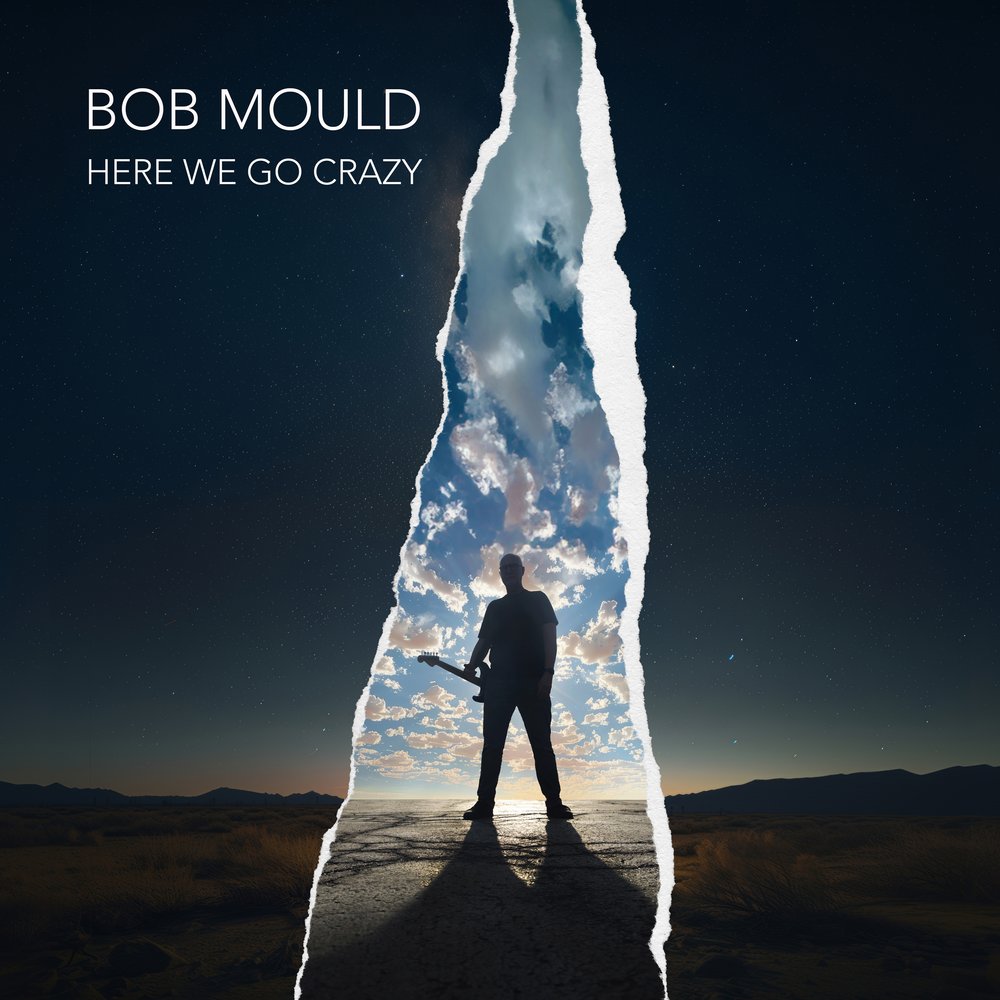 BOB MOULD — HERE WE GO CRAZY (BMG RIGHTS)
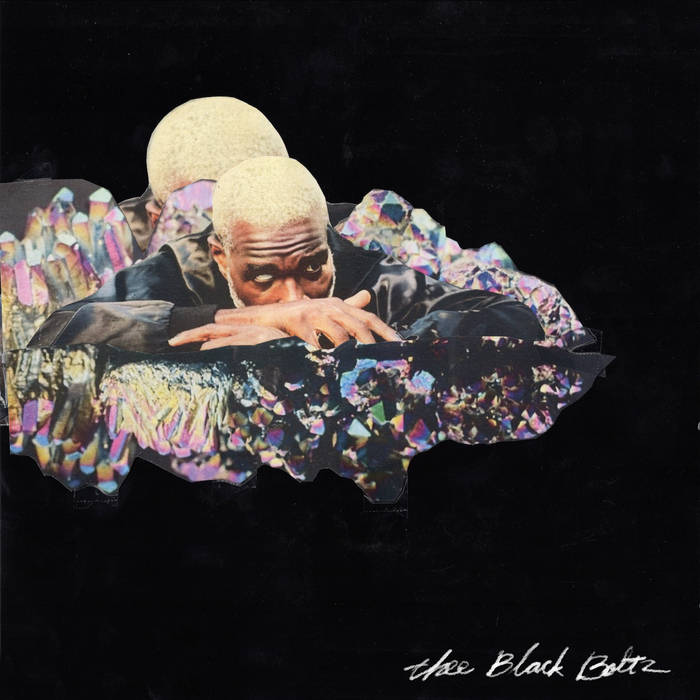 TUNDE ADEBIMPE — THEE BLACK BOLTZ (SUB POP RECORDS)
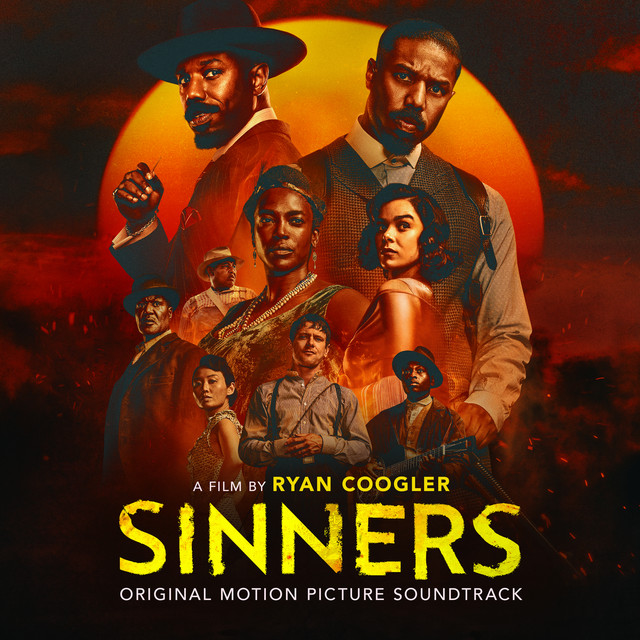 VARIOUS ARTISTS — SINNERS (ORIGINAL MOTION PICTURE SOUNDTRACK) [SONY MUSIC]
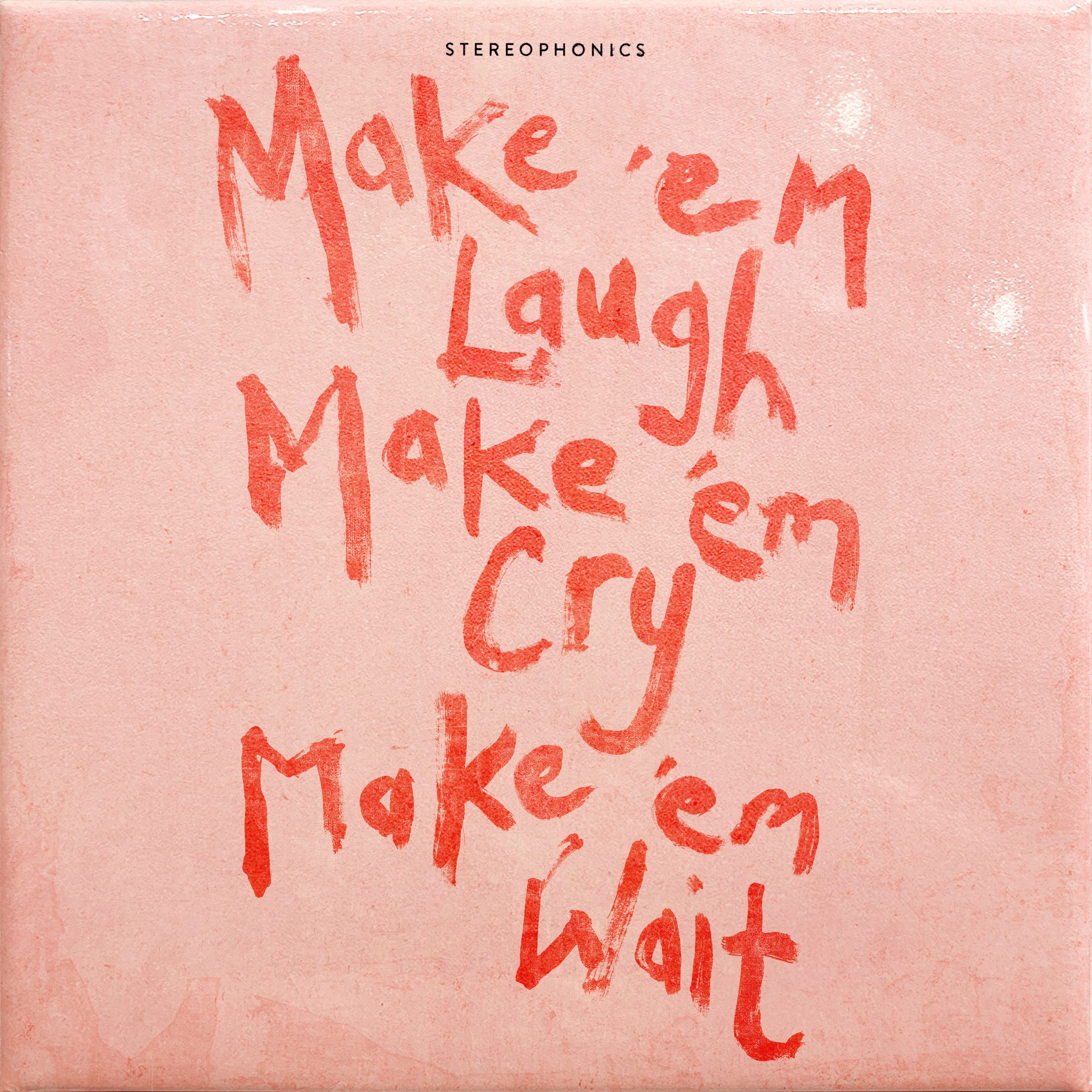 STEREOPHONICS — MAKE ‘EM LAUGH, MAKE ‘EM CRY, MAKE ‘EM WAIT (EMI)
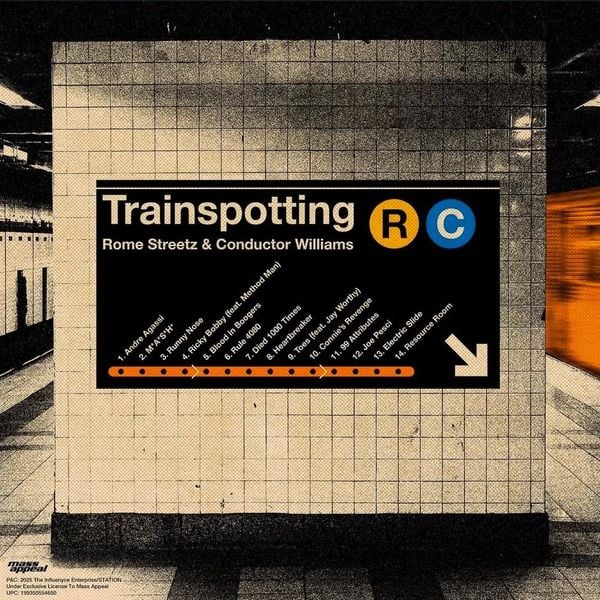 ROME STREETZ & CONDUCTOR WILLIAMS — TRAINSPOTTING (MASS APPEAL)
 TURNSTILE — NEVER ENOUGH (ROARDRUNNER RECORDS)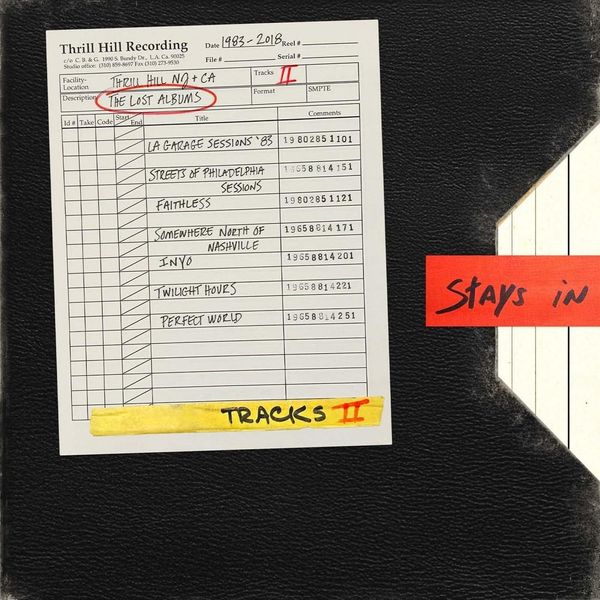
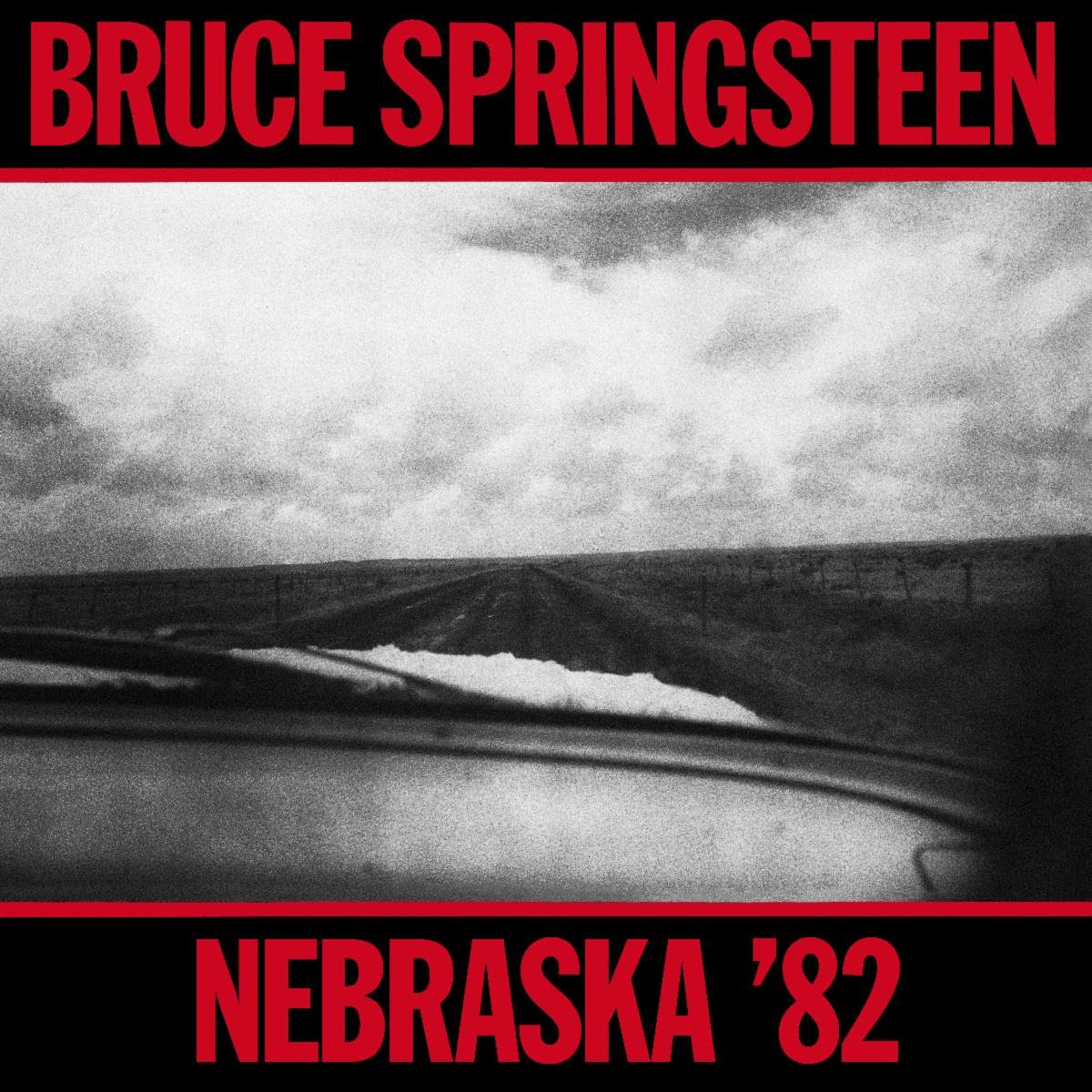 BRUCE SPRINGSTEEN — TRACKS II: THE LOST ALBUMS & NEBRASKA ’82: EXPANDED EDITION (COLUMBIA RECORDS)
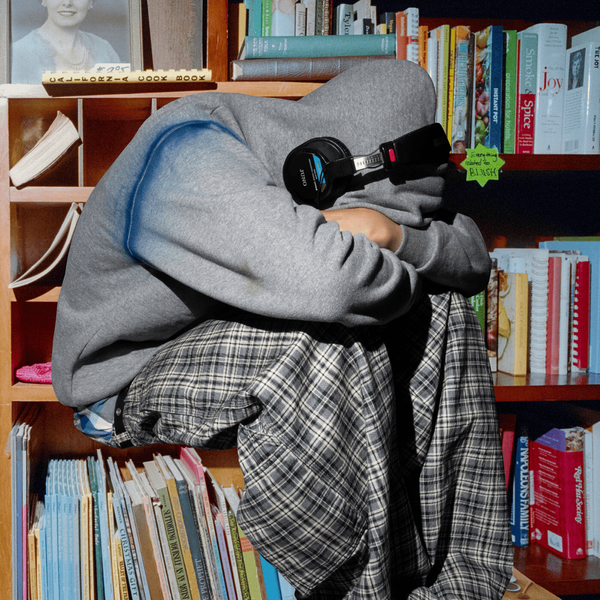 KEVIN ABSTRACT — BLUSH (X8 MUSIC)
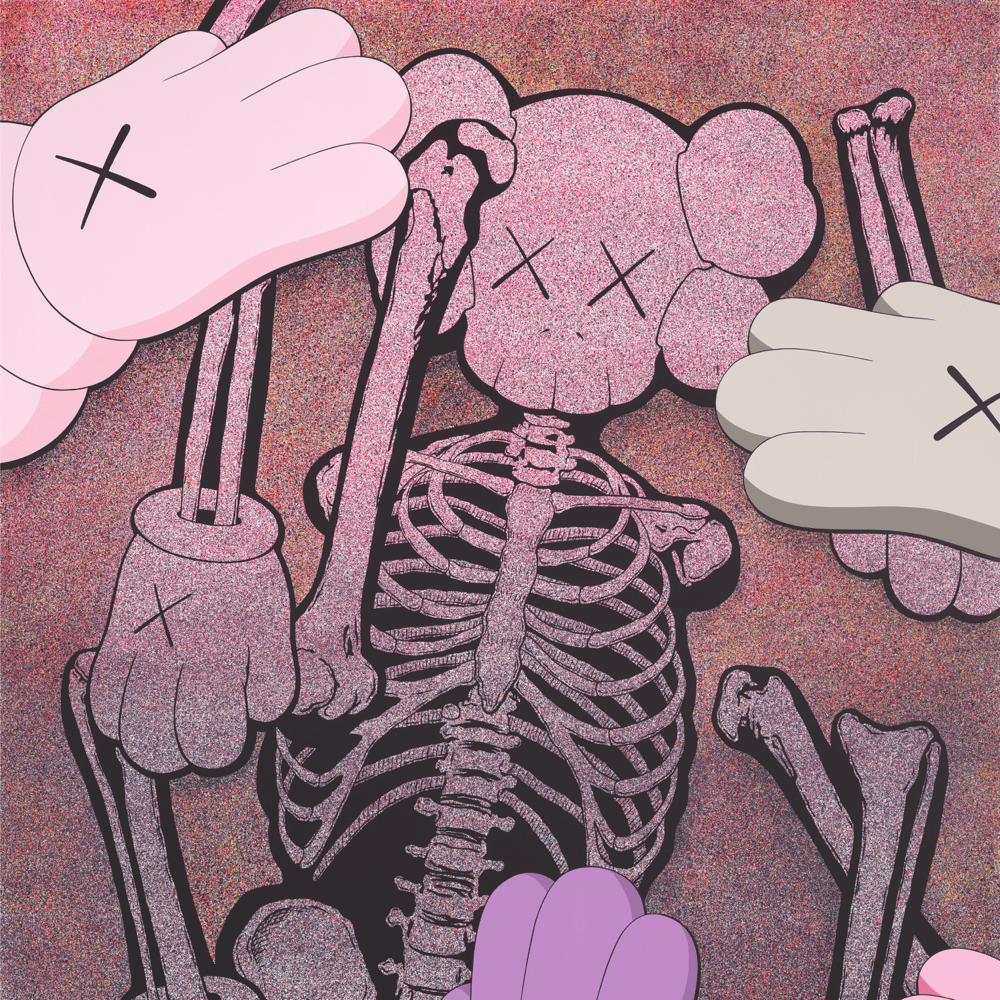 CLIPSE — LET GOD SORT EM OUT (ROC NATION)
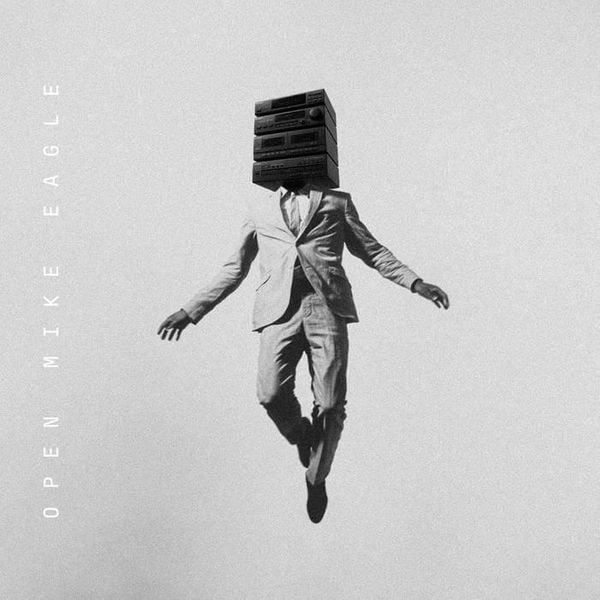 OPEN MIKE EAGLE — NEIGHBORHOOD GODS UNLIMITED (AUTO REVERSE)
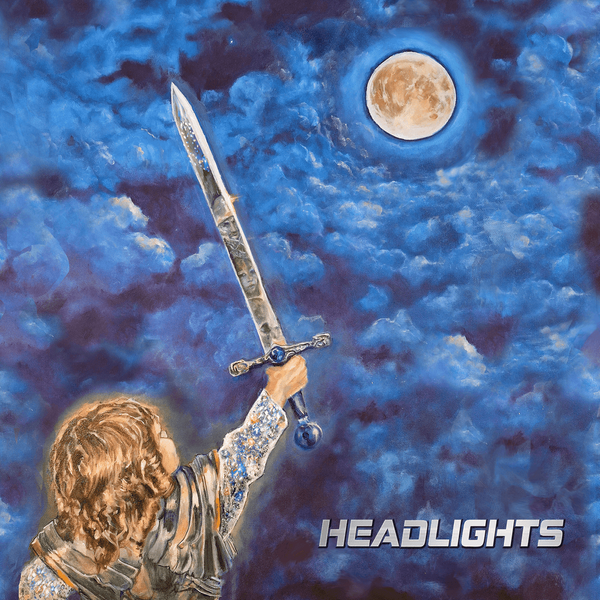 ALEX G — HEADLIGHTS (RCA RECORDS)
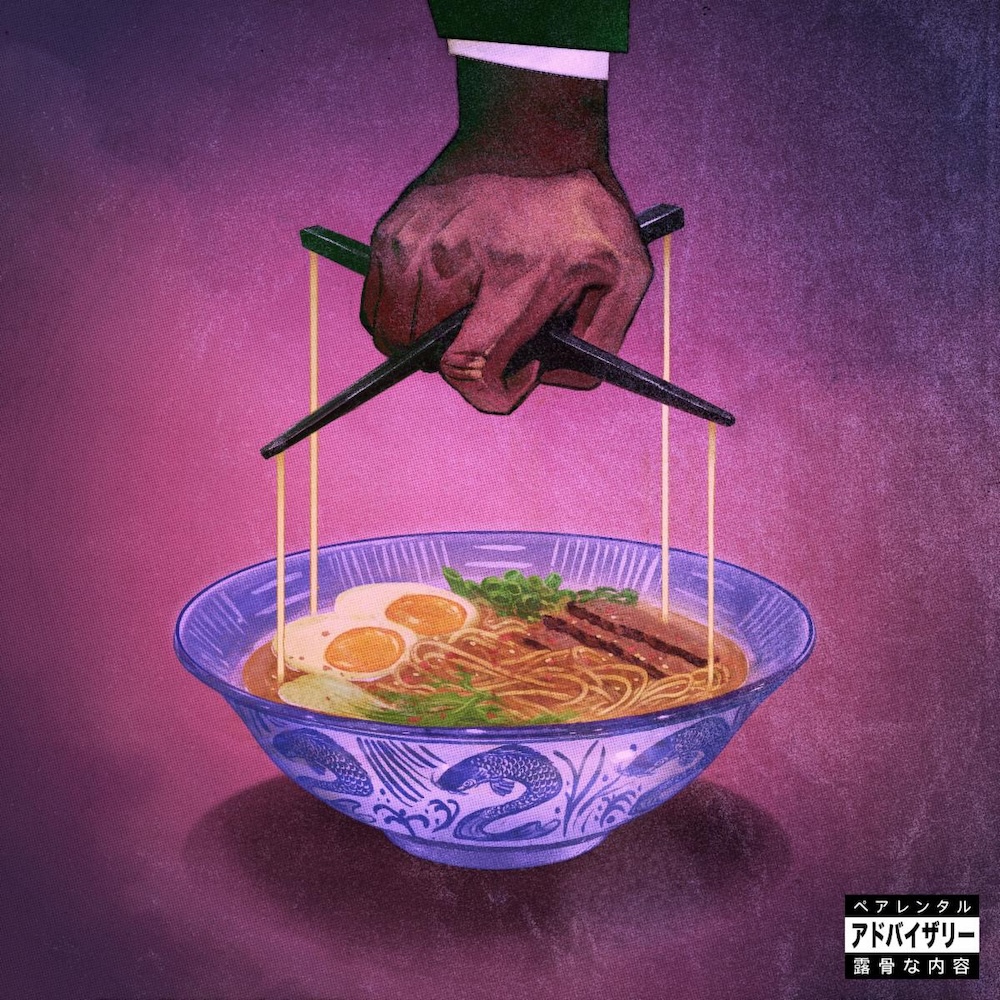 FREDDIE GIBBS & THE ALCHEMIST — ALFREDO II (ESGN LLC)
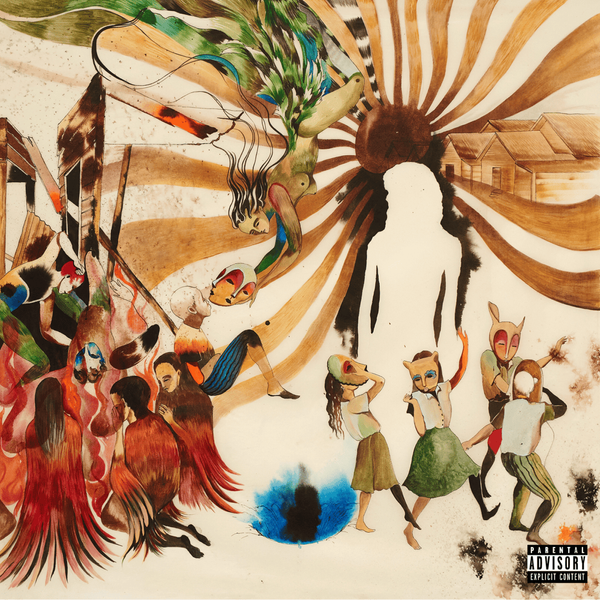 JID — GOD DOES LIKE UGLY (DREAMVILLE RECORDS)
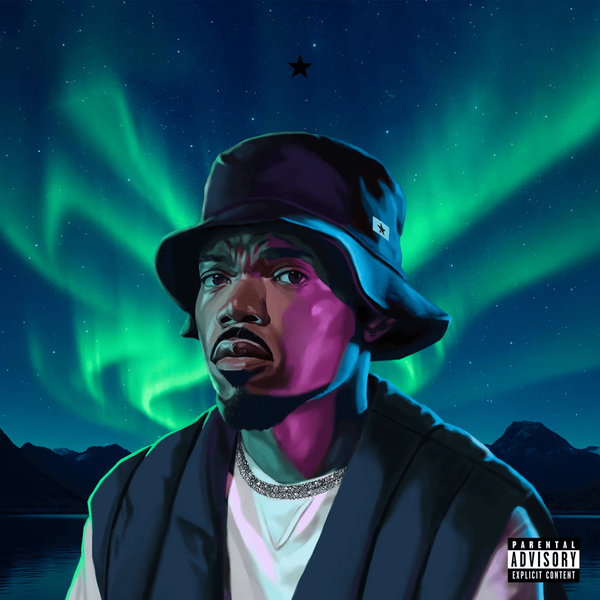 CHANCE THE RAPPER — STAR LINE (CHANCE THE RAPPER)
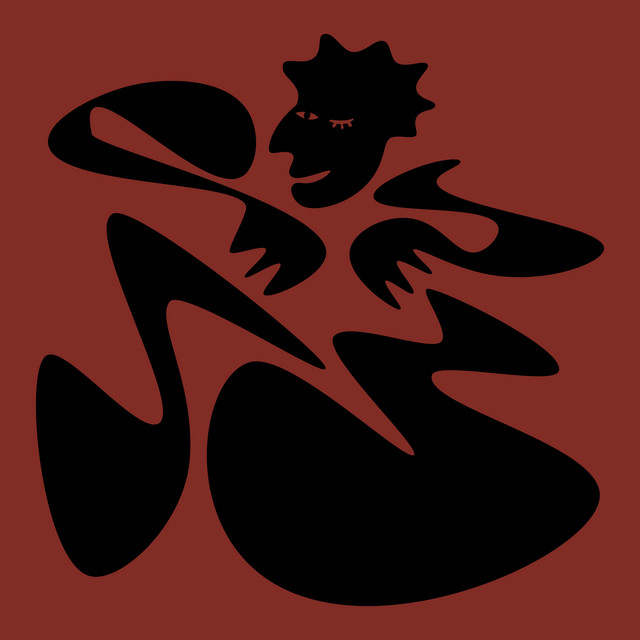 KAYTRANADA — AIN’T NO DAMN WAY! (RCA RECORDS)
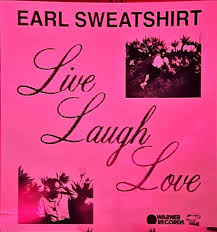 EARL SWEATSHIRT — LIVE LAUGH LOVE (TAN CRESSIDA)
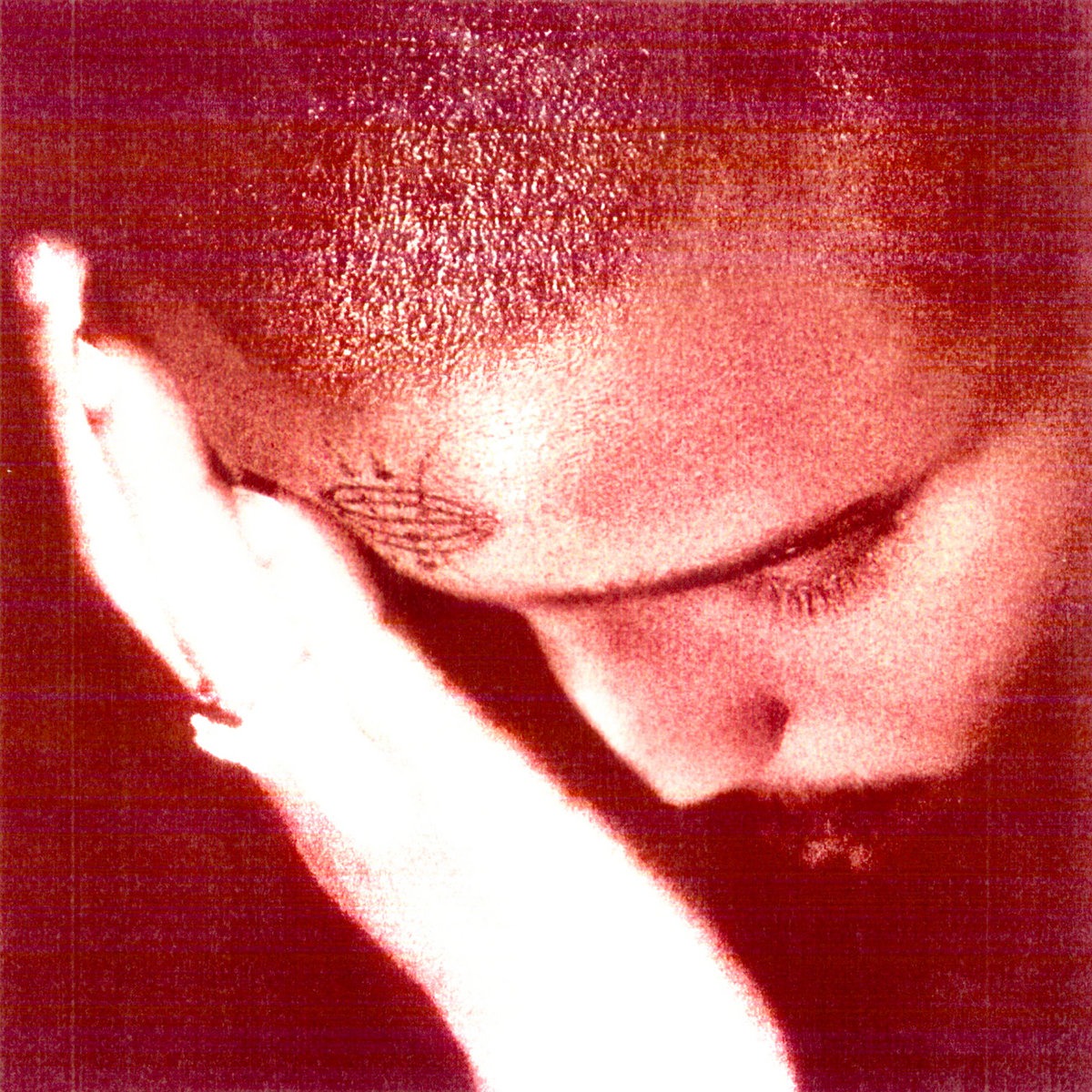 NOURISHED BY TIME — THE PASSIONATE ONES (XL RECORDINGS)
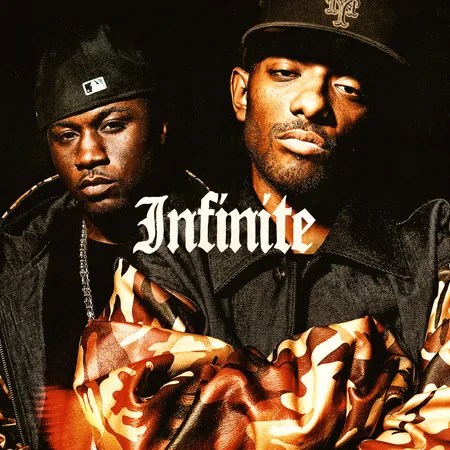 MOBB DEEP — INFINITE (MASS APPEAL)
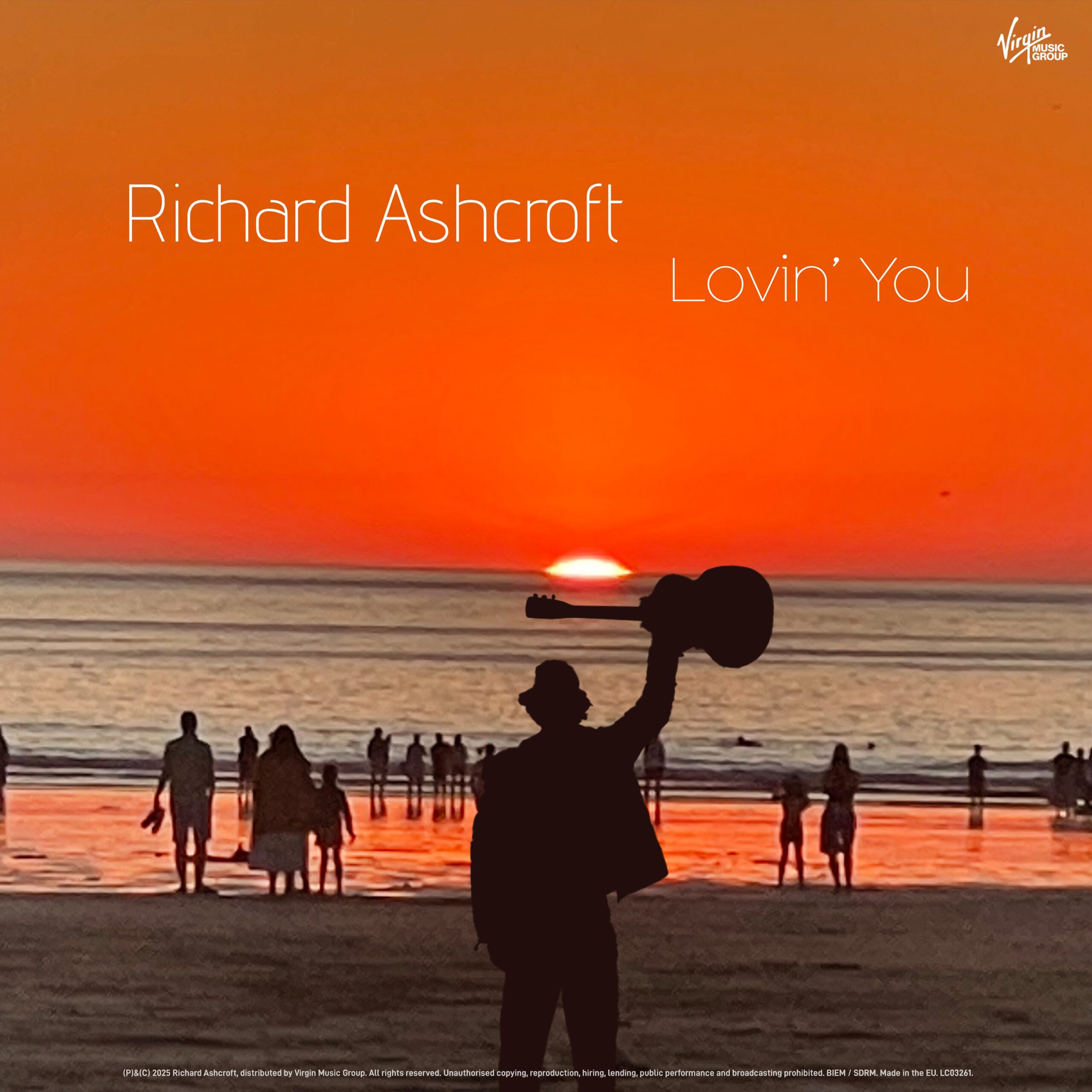 RICHARD ASHCROFT — LOVIN’ YOU (VIRGIN MUSIC GROUP)
 DANIEL CAESAR — SON OF SPERGY (REPUBLIC RECORDS)
 DE LA SOUL — CABIN IN THE SKY (MASS APPEAL)


 RYAN ADAMS — SWORD AND STONE & BLACKHOLE (PAX-AM)
 KANYE WEST & TY DOLLA $IGN — VULTURES 1 (¥Z¥)
 SCHOOLBOY Q — BLUE LIPS (TOP DAWG ENTERTAINMENT)
 GARY CLARK JR — JPEG RAW (WARNER RECORDS)
 PEARL JAM — DARK MATTER (REPUBLIC RECORDS)
 RAPSODY — PLEASE DON’T CRY (ROC NATION RECORDS)
 MACH-HOMMY — #RICHAXXHAITIAN (MACH-HOMMY INC)
 VINCE STAPLES — DARK TIMES (DEF JAM RECORDINGS)
 KAYTRANADA — TIMELESS (RCA RECORDS)
 ANDERSON .PAAK & KNXWLEDGE (NXWORRIES) — WHY LAWD? (STONES THROW RECORDS)
 LUPE FIASCO — SAMURAI (1ST & 15TH TOO)
 COMMON & PETE ROCK — THE AUDITORIUM, VOL. 1 (LOMA VISTA)
 DOECHII — ALLIGATOR BITES NEVER HEAL (TOP DAWG ENTERTAINMENT)
 LL COOL J — THE FORCE (LL COOL J INC)
 FEVER 333 — DARKER WHITE (333 WRECKORDS CREW)
 TYLER, THE CREATOR — CHROMAKOPIA (COLUMBIA RECORDS)
 FREDDIE GIBBS — YOU ONLY DIE 1NCE (AWAL)
 THE CURE — SONGS OF A LOST WORLD (POLYDOR RECORDS)
 LINKIN PARK — FROM ZERO (WARNER RECORDS)
 KENDRICK LAMAR — GNX (PGLANG)
